
10 Brilliant Small Living Room Decor Ideas to Maximize Style & Space
Introduction
Designing a small living room can feel challenging, but it also opens the door to creativity and smart decision-making. With the right approach, limited square footage can feel open, stylish, and deeply personal. This guide explores Small Living Room Decor Ideas that balance beauty with function, helping you create a space that works hard without looking crowded. Each idea focuses on layout, color, lighting, and furniture choices that visually expand the room while keeping comfort front and center.
Idea 1: Light-Focused Layout Planning

When planning a compact living space, light becomes your most powerful tool. This first approach connects unexpected inspiration from dining table styling ideas for perfect tablescapes by emphasizing balance, spacing, and intention. Position seating to avoid blocking windows and choose low-profile furniture that allows light to flow freely. Pale wall colors reflect daylight, making the room feel larger and more breathable without removing personality.
Natural light alone is not enough. Layering soft artificial lighting keeps the room welcoming after sunset. Floor lamps with slim bases and wall-mounted lights save valuable floor space. When light feels evenly distributed, the room appears more open and calm. This thoughtful layout builds the foundation for successful Small Living Room Decor Ideas that feel effortless rather than forced
Idea 2: Multi-Functional Furniture Choices
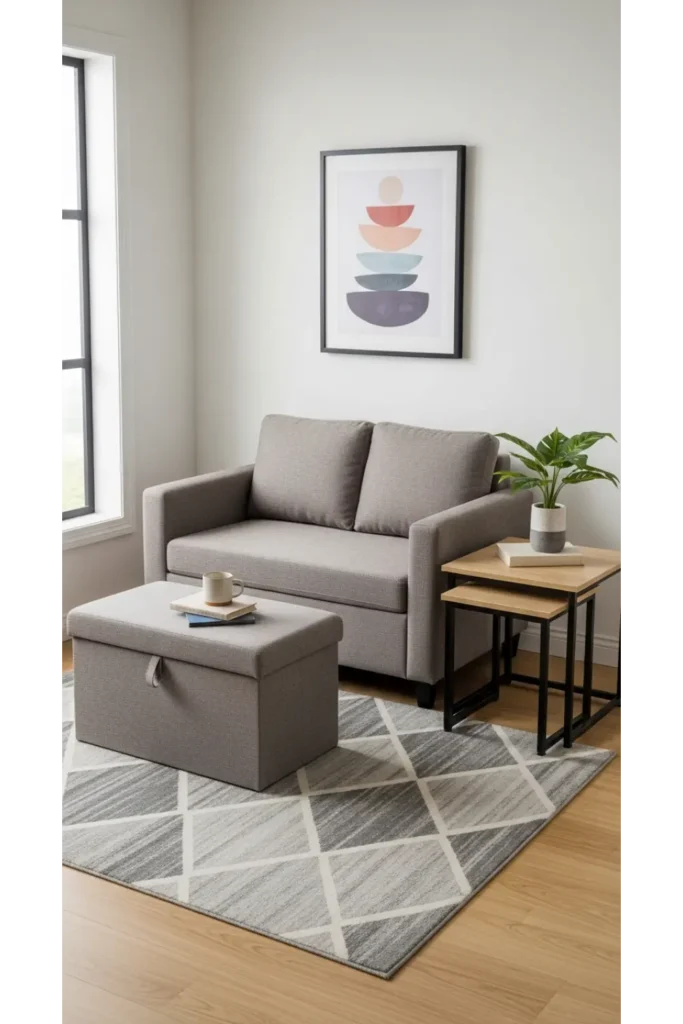
In small living rooms, every piece of furniture should earn its place. Multi-functional items such as storage ottomans, nesting tables, or sofa beds offer flexibility without clutter. These pieces allow the room to adapt to daily needs while maintaining a clean look. Choosing furniture with visible legs also helps create a sense of openness by exposing more floor area.
Function does not mean sacrificing style. Many modern designs blend storage with elegant silhouettes and soft textures. When furniture works harder, you can keep decor minimal and intentional. This approach supports space-saving furniture concepts that enhance comfort while keeping the room visually balanced and easy to navigate.
Idea 3: Strategic Use of Mirrors
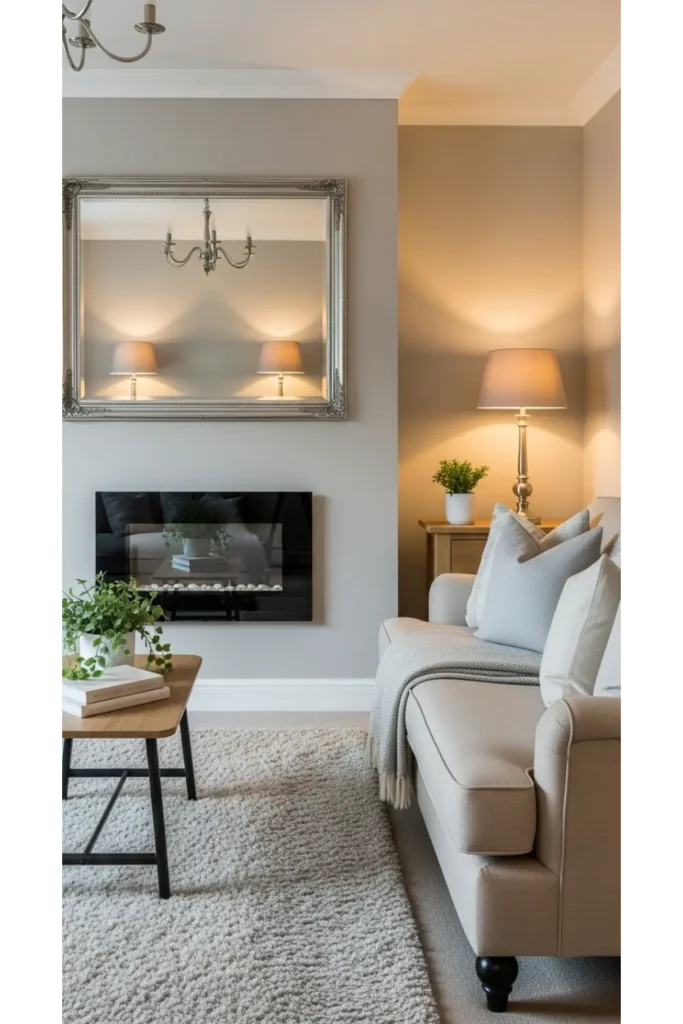
Mirrors remain one of the most effective tools for small-space design. Placing a mirror across from a window reflects natural light and visually doubles the room. Large mirrors work especially well when framed simply, allowing them to blend seamlessly into the decor. This creates depth without adding physical bulk.
Beyond function, mirrors add elegance and interest. They can act as statement pieces or subtle accents depending on placement. When combined with soft lighting, mirrors enhance brightness and mood. This technique aligns naturally with visual space expansion strategies that designers rely on to make compact rooms feel generous and refined.
Idea 4: Vertical Storage Solutions
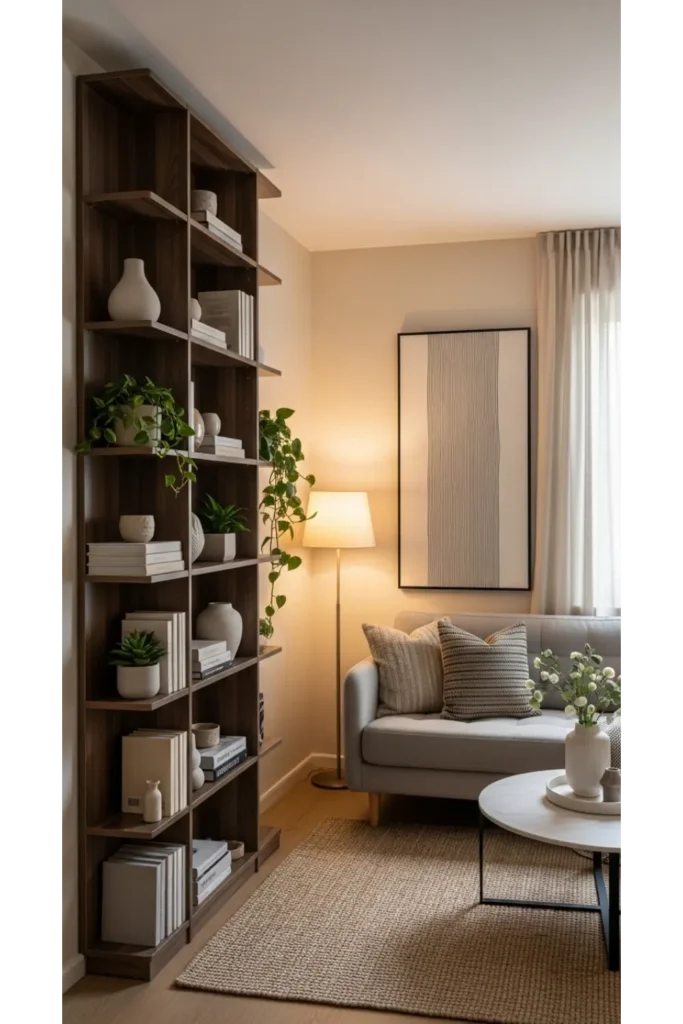
Looking upward unlocks unused potential in a small living room. Vertical shelving draws the eye higher, making ceilings appear taller. Tall bookcases or wall-mounted shelves provide storage without consuming floor space. Keeping lower areas open maintains flow and prevents the room from feeling boxed in.
Styling shelves with restraint matters. Mixing books, decorative objects, and open space avoids visual overload. Vertical storage supports smart storage ideas while allowing personality to shine through curated decor. This balance helps small living rooms feel organized, intentional, and visually calm.
Idea 5: Neutral Base with Layered Texture

Neutral color palettes create breathing room in compact spaces. Soft whites, warm beiges, and light grays form a calm backdrop that visually expands the room. Texture then adds depth through rugs, pillows, and throws. This layered approach prevents the space from feeling flat or sterile.
Texture invites comfort. Linen, wool, and woven materials introduce warmth without visual clutter. When textures vary subtly, the room feels rich yet uncluttered. This method supports cozy living room decor while maintaining openness and simplicity.
Idea 6: Floating Furniture and Open Floors
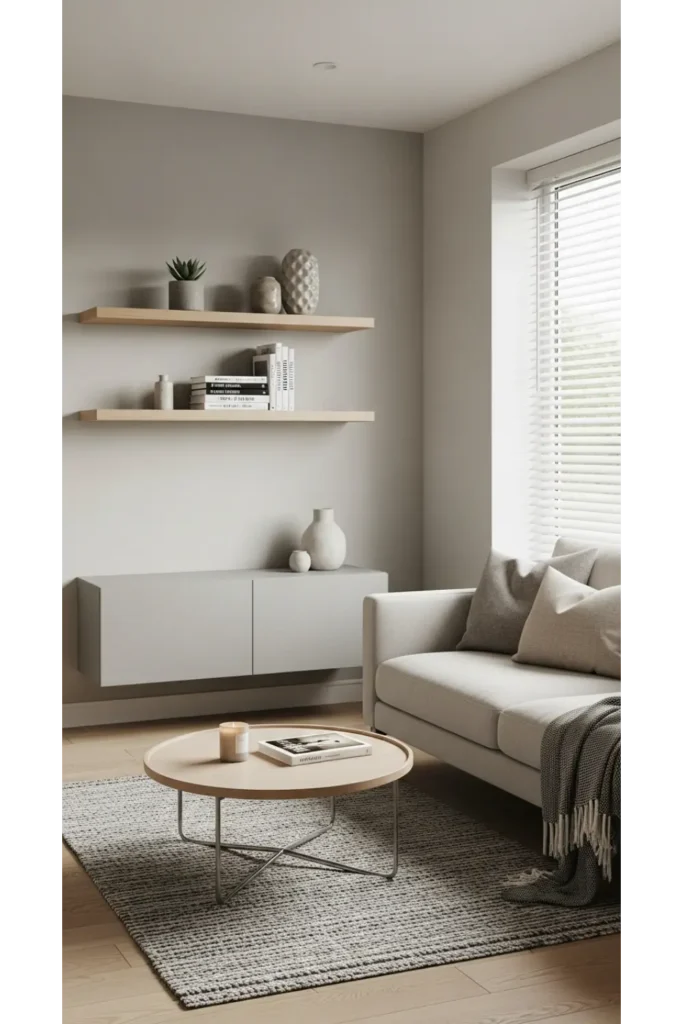
Floating furniture keeps the floor visible, which makes a room feel larger. Wall-mounted media units and shelves reduce visual weight and improve circulation. Open floor space helps the eye move freely, creating the illusion of a bigger room.
This approach pairs well with minimal decor. Choosing fewer, well-designed pieces keeps the room functional and stylish. Floating elements support modern small space design by emphasizing clarity, movement, and efficiency without sacrificing comfort.
Idea 7: Thoughtful Color Accents
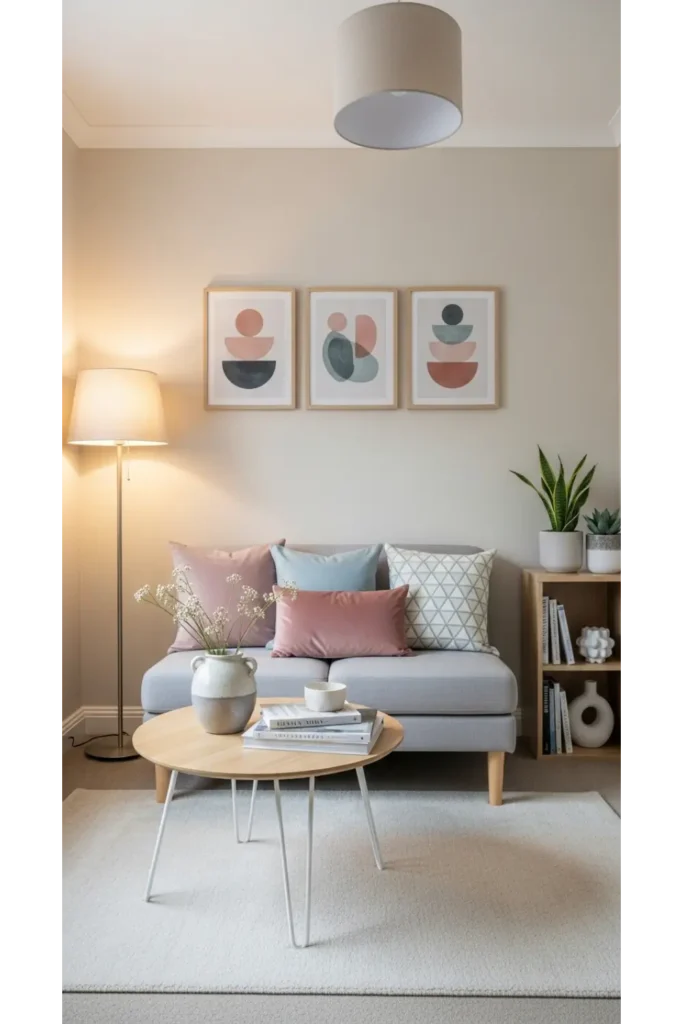
While neutrals anchor small living rooms, controlled color accents bring life and personality. Soft blues, muted greens, or warm terracotta tones add interest without overwhelming the space. Limiting accent colors to a few areas maintains harmony.
Consistency matters. Repeating accent colors through cushions, artwork, or decor creates cohesion. This strategy enhances color balance in interiors, helping the room feel styled rather than busy while preserving a sense of openness.
Idea 8: Slim Profile Seating
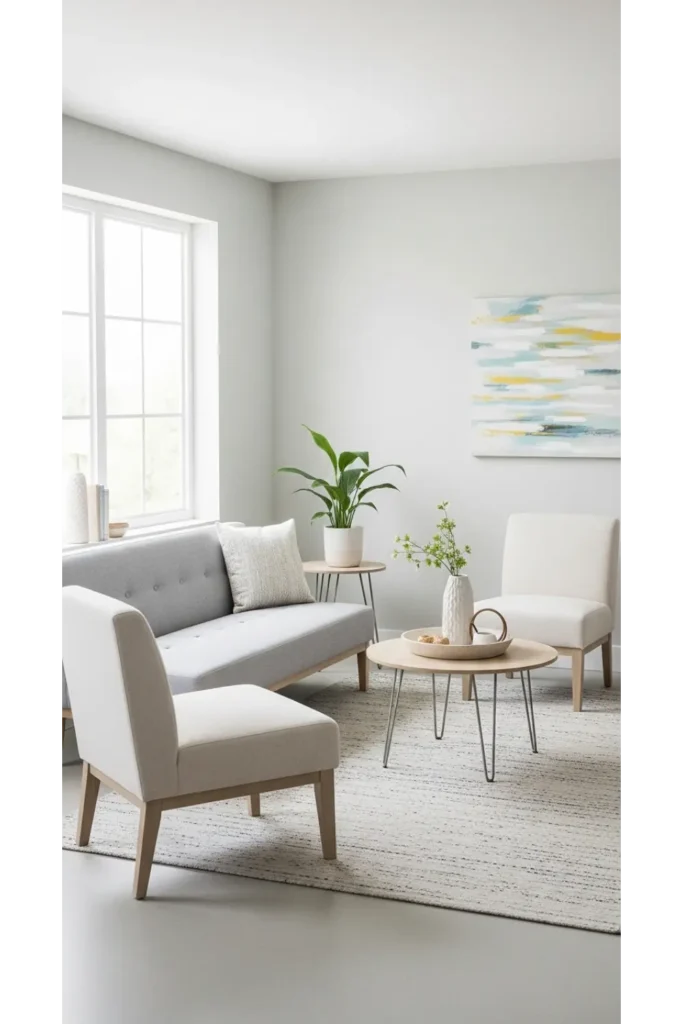
Bulky furniture quickly overwhelms a small living room. Slim-profile seating with clean lines provides comfort without excess volume. Armless chairs and compact sofas allow for better flow and easier movement through the space.
Comfort remains essential. High-quality cushions and supportive seating ensure functionality. Choosing refined silhouettes supports small space seating solutions that feel intentional and welcoming rather than cramped or crowded.
Idea 9: Defined Zones with Rugs
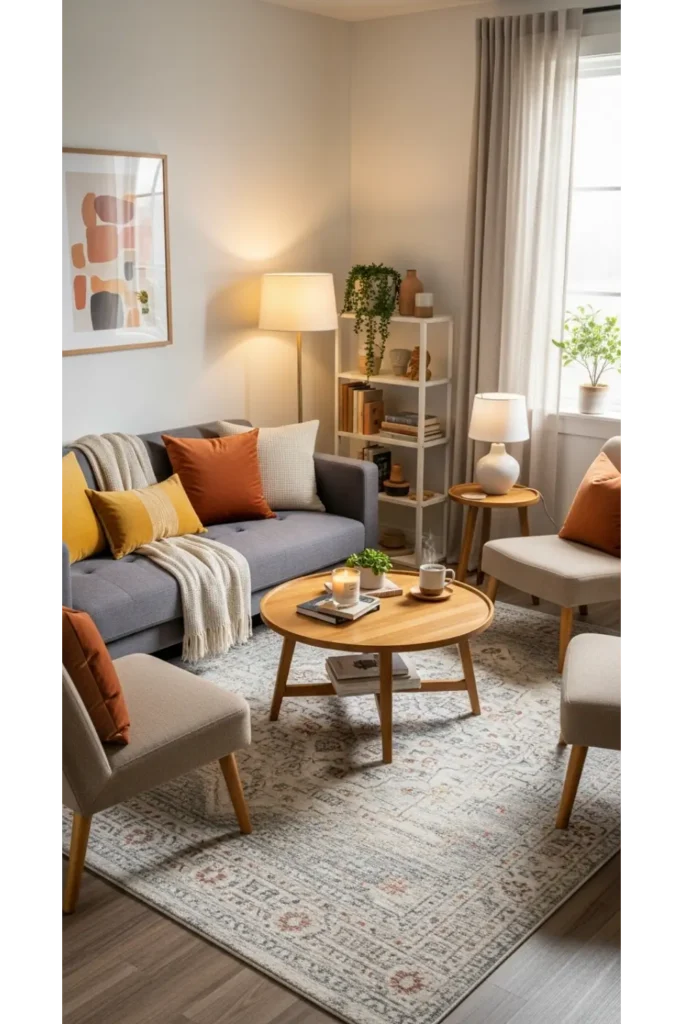
Rugs help define areas within a small living room, especially in open layouts. A well-sized rug anchors the seating area and adds structure. Light or medium tones work best to avoid shrinking the visual space.
Texture and pattern matter. Subtle designs add interest without distraction. This zoning technique supports open-plan living room ideas, helping small spaces feel organized and thoughtfully designed.
Idea 10: Minimal Decor with Personal Touches
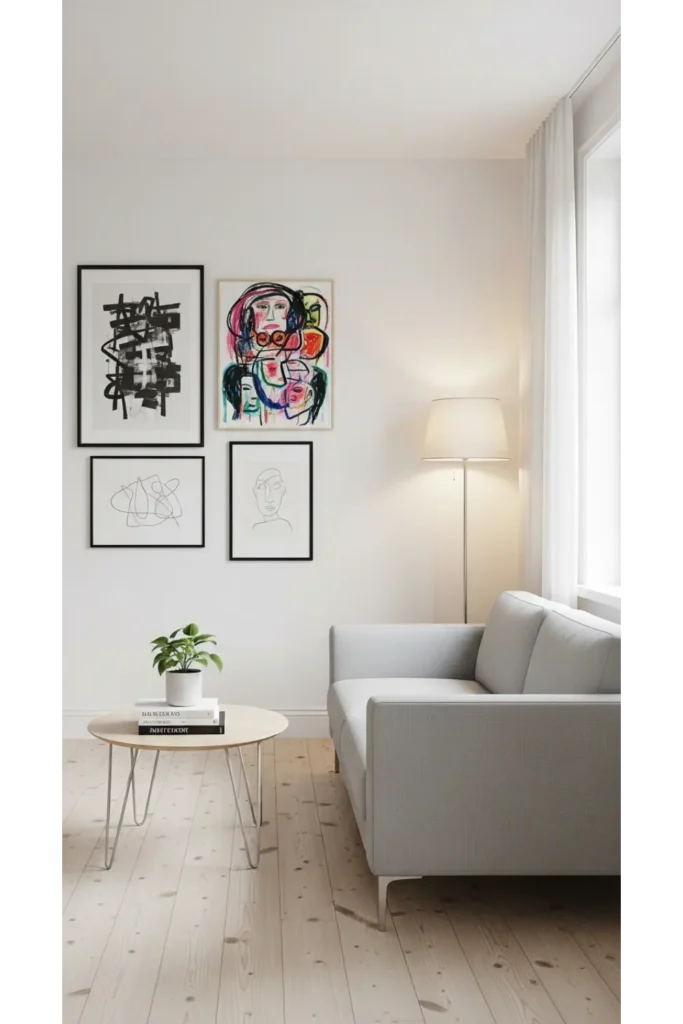
Less decor creates more impact in small living rooms. Choosing a few meaningful pieces allows personality to shine without clutter. Artwork, books, or curated objects tell a story while keeping surfaces clear.
Intentional styling builds calm. When every item has purpose, the room feels balanced and lived-in. This approach aligns with minimalist living room decor principles that prioritize clarity, comfort, and emotional connection.
Conclusion
Small living rooms thrive on thoughtful design rather than excess. By focusing on light, layout, and purposeful choices, compact spaces can feel open, stylish, and deeply personal. These Small Living Room Decor Ideas show that size does not limit creativity. With smart planning and intentional details, even the smallest living room can offer comfort, beauty, and a strong sense of home.