21 Minimalist Aesthetic Bedroom Ideas That Spark Peace
Introduction
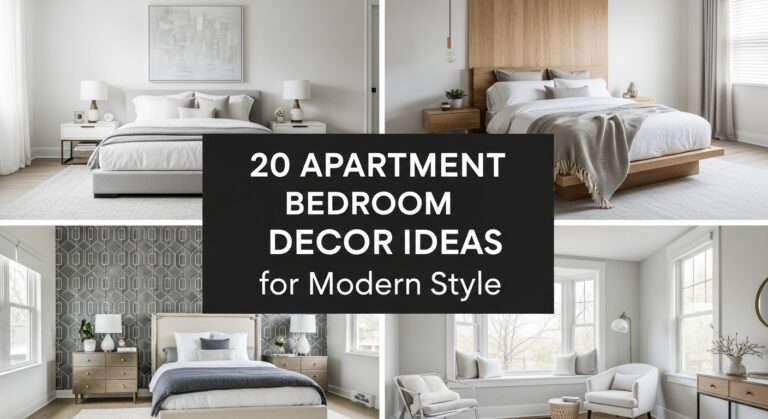
A bedroom is not just a room. For couples, it holds shared beginnings. For solo dwellers, it becomes a private sanctuary. For those drawn to luxury minimalism, it reflects restraint, confidence, and emotional clarity. This guide to 21 Minimalist Aesthetic Bedroom Ideas That Spark Peace focuses on how a bedroom should feel, not just how it should look. Every idea is rooted in calm living, emotional comfort, and refined simplicity that supports modern life without visual overload.
Section One: Bedrooms That Instantly Slow the Mind
Idea 1: The Room That Asks for Nothing
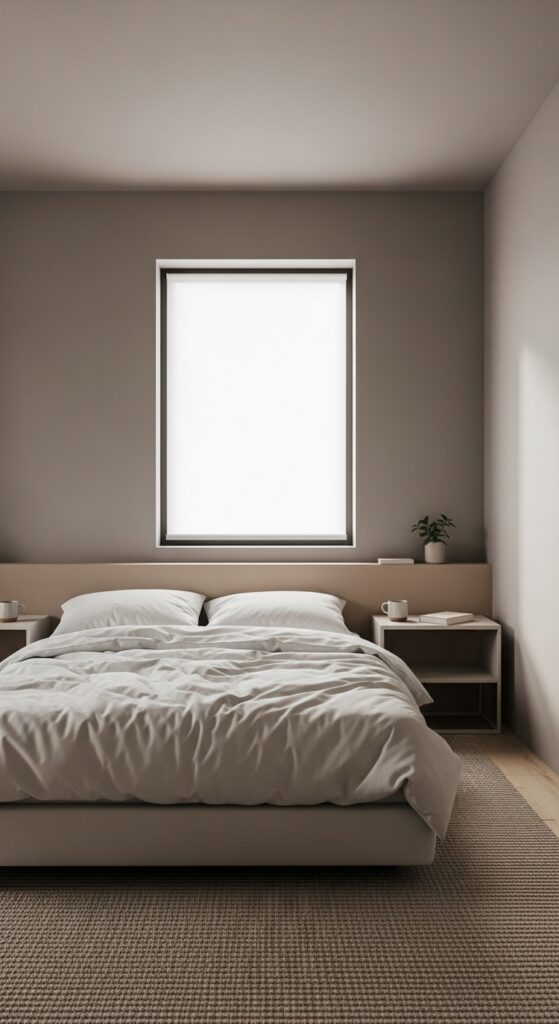
The foundation of 21 Minimalist Aesthetic Bedroom Ideas That Spark Peace begins with a room that does not demand attention. Soft walls, open surfaces, and minimal furniture create visual silence. Nothing competes for focus, allowing your mind to relax naturally. This kind of bedroom feels generous, not empty, because space itself becomes part of the design rather than something to fill.
For couples and solo dwellers, this atmosphere removes pressure. There is nothing to fix, style, or constantly adjust. The room supports rest simply by existing. Emotional calm grows when the environment stops asking for energy and starts offering relief instead.
Idea 2: A Bedroom Designed Around Quiet
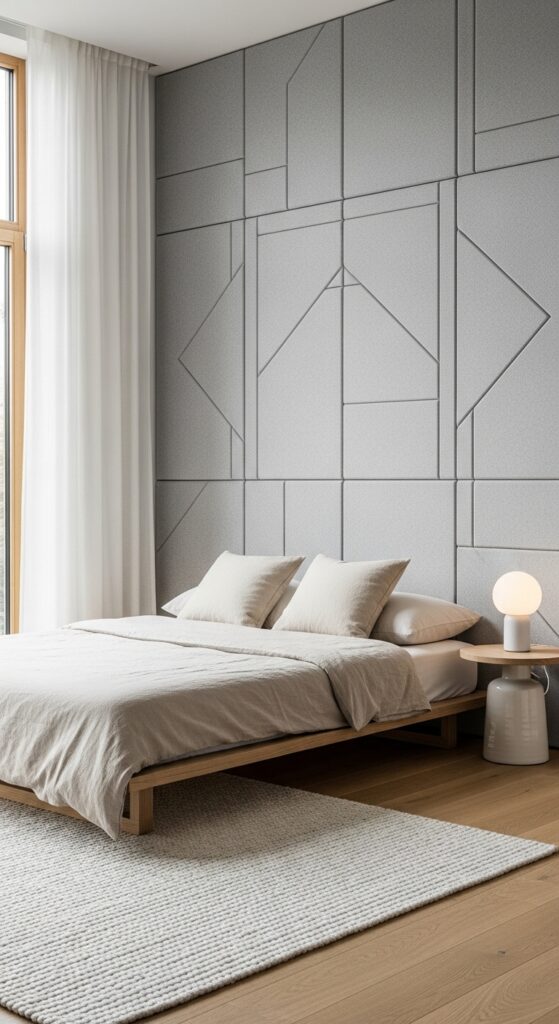
Peace is not only visual. It is also auditory. A minimalist bedroom that prioritizes quiet uses soft fabrics, layered bedding, rugs, and upholstered elements to absorb sound. This reduces echo and sharp noise, making the room feel hushed even during busy days or shared living situations.
This design choice supports mental peace seekers who feel overstimulated easily. For couples, it creates a space where conversations feel softer and rest feels deeper. Silence becomes part of the experience, helping the bedroom function as a true retreat.
Idea 3: A Fresh Start Bedroom for New Homes
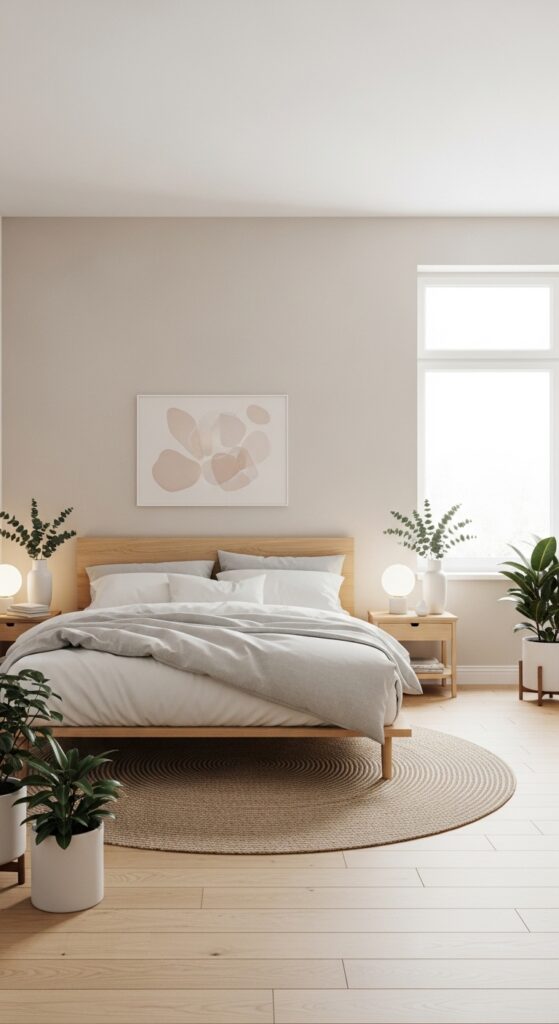
New homes carry excitement and uncertainty at the same time. A minimalist bedroom allows couples to grow into the space instead of overwhelming it too soon. Clean lines and neutral tones create a blank emotional canvas where routines, memories, and comfort can develop naturally.
This approach avoids visual commitment too early. The room feels complete but not final. Over time, shared moments add meaning without disturbing calm. The bedroom evolves gently, which supports long-term emotional attachment.
Idea 4: Visual Weight Kept Close to the Ground
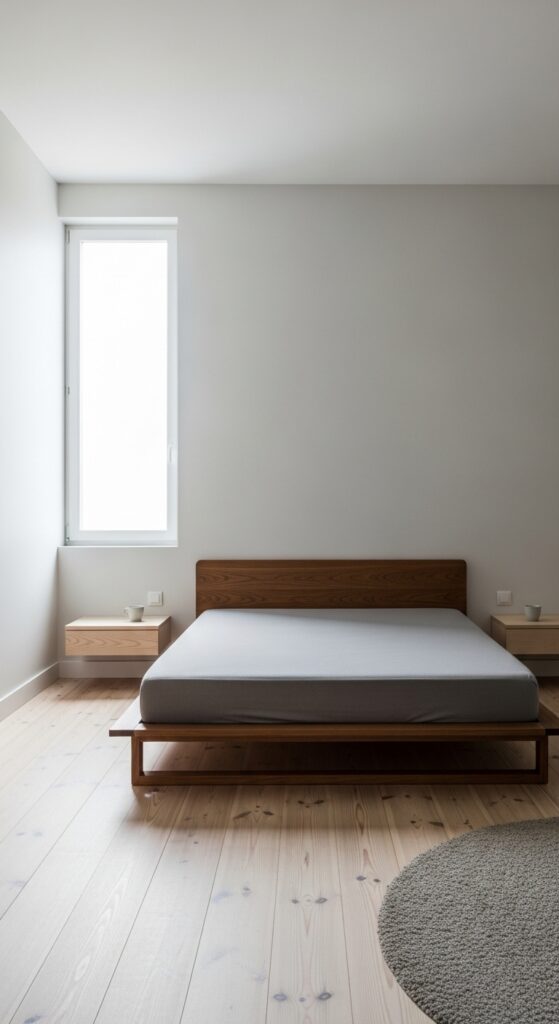
Keeping furniture visually low changes how the room feels instantly. The eye moves horizontally instead of vertically, which reduces mental tension. Open wall space above furniture makes the room feel lighter, calmer, and more breathable without increasing square footage.
This layout benefits both luxury minimalist interiors and small bedrooms. It emphasizes space as a design element. For mental peace seekers, this openness creates a sense of freedom that supports relaxation and emotional ease.
Idea 5: Luxury That Does Not Announce Itself
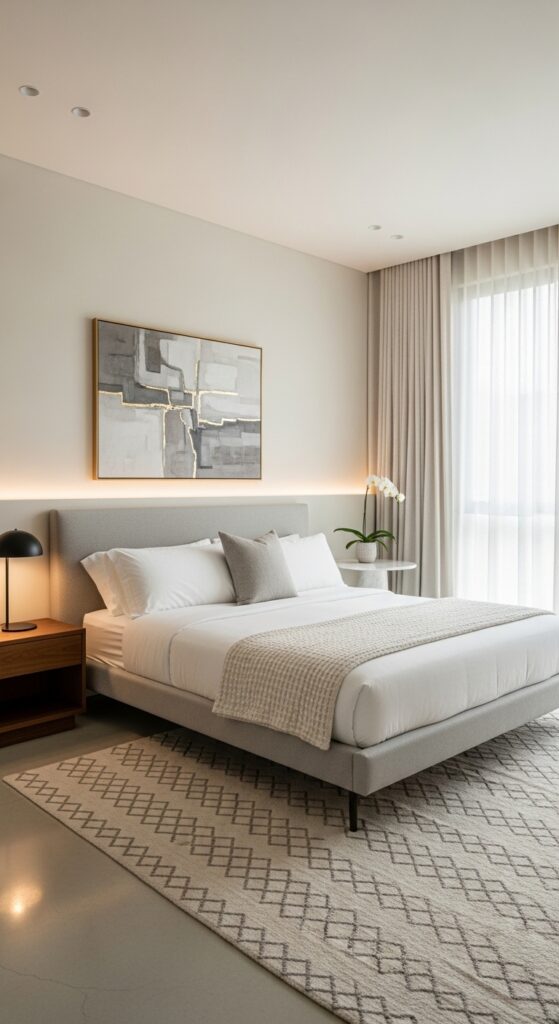
Luxury minimalism works quietly. Instead of bold statements, it relies on quality materials, precise proportions, and thoughtful restraint. The room feels refined without trying to impress. Nothing feels excessive, yet everything feels intentional.
This form of luxury supports calm because it avoids sensory overload. For couples and individuals alike, the bedroom feels confident and grounded. True comfort comes from knowing nothing extra is required for the space to feel complete.
Idea 6: A Bedroom That Slows the Evening
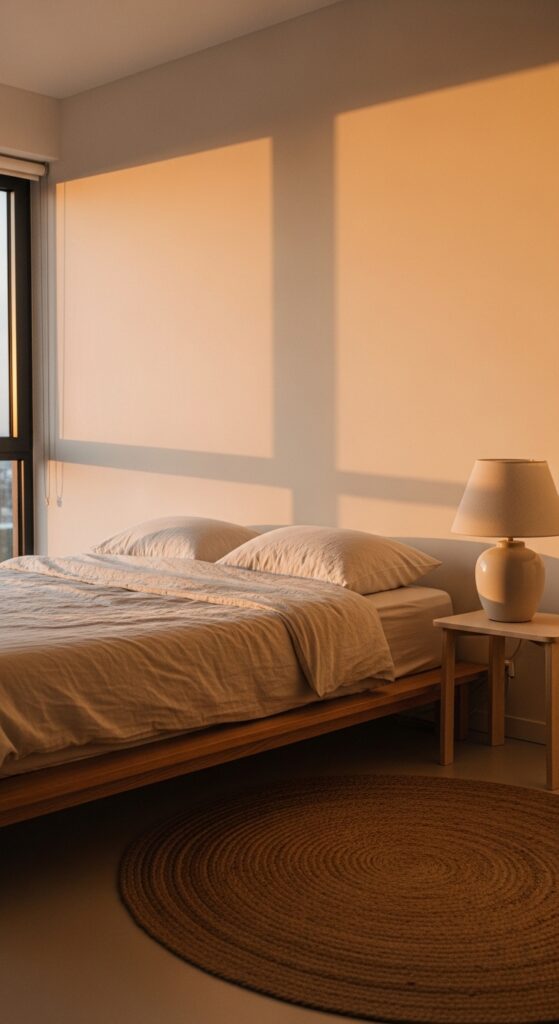
Design can gently guide behavior. Bedrooms with warm lighting, minimal decor, and soft textures naturally encourage slower evenings. The environment signals the body to unwind without forcing routines or rules.
This is especially helpful for people who struggle to disconnect mentally. The room supports rest by reducing stimulation. Over time, the bedroom becomes associated with calm rather than activity, improving sleep quality and emotional balance.
Idea 7: Shared Calm Without Visual Competition
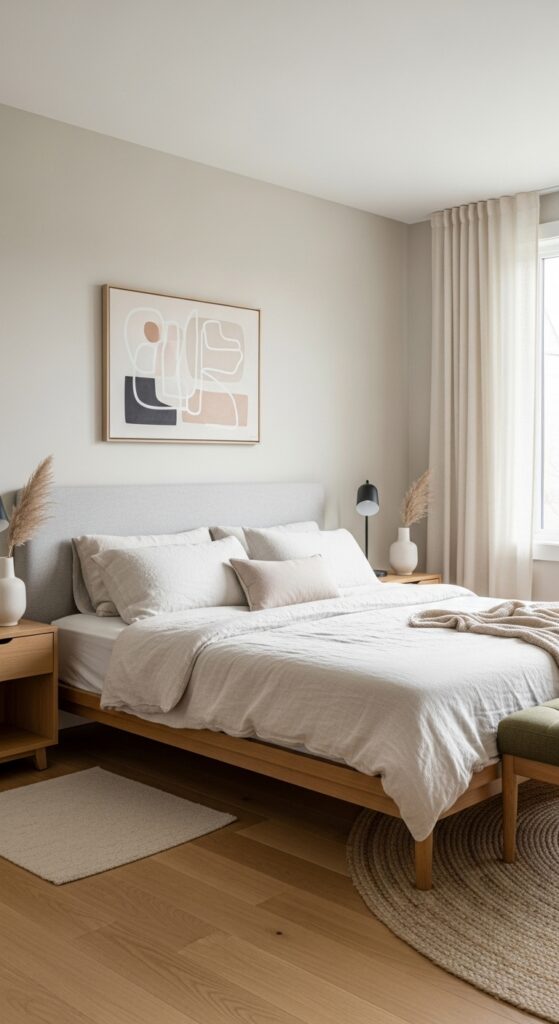
In shared bedrooms, balance matters more than decoration. Minimalist design creates emotional fairness by giving equal visual space to both partners. Neutral tones and a balanced layout prevent the room from feeling dominated by one personality.
This harmony supports connection. The space feels collaborative rather than divided. Calm design choices reduce tension and help the bedroom function as a shared sanctuary instead of a contested space.
Section Two: Emotional Minimalism That Supports Mental Peace
Idea 8: A Bedroom Without Visual Memory
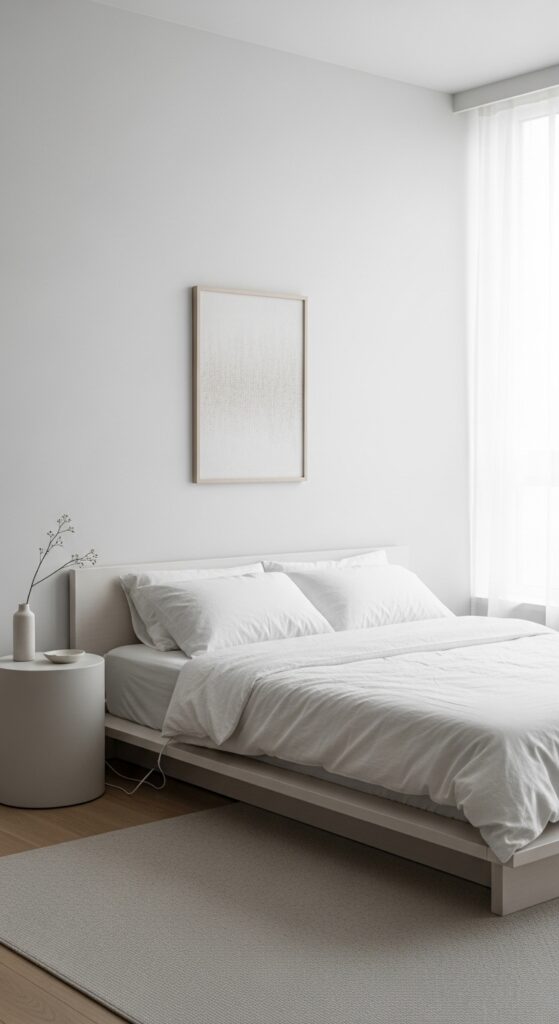
A bedroom should not remind you of tasks, deadlines, or unfinished plans. When walls and surfaces stay mostly clear, the mind receives fewer cues to stay alert. This absence of visual memory allows the brain to disconnect from daily responsibilities. The room feels emotionally lighter because nothing pulls attention away from rest.
For solo living and mental peace seekers, this design acts like a mental reset. The bedroom becomes a space where thoughts slow down naturally. Over time, your mind associates the room with recovery instead of activity.
Idea 9: Comfort Through Repetition
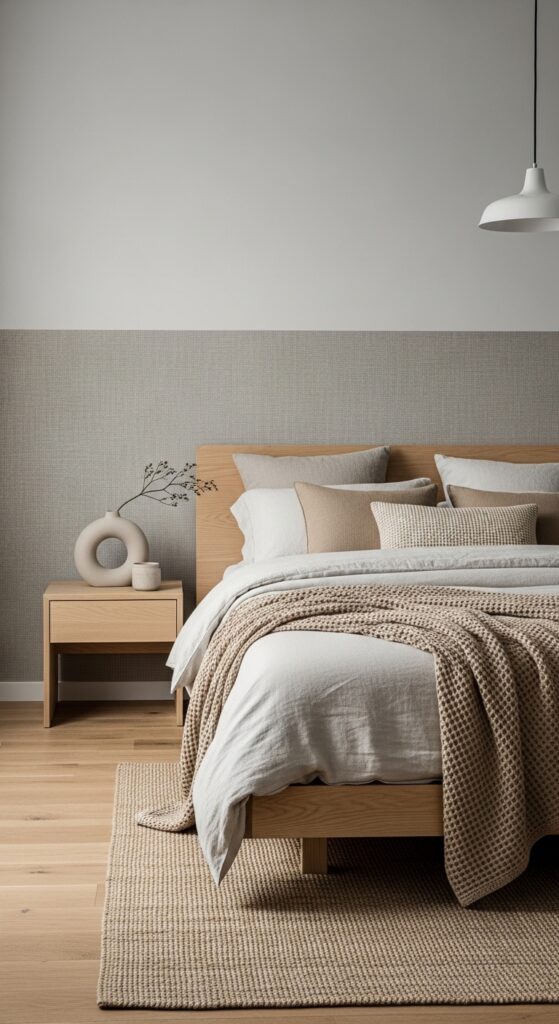
Repetition creates comfort. When the same tones, fabrics, and materials appear throughout the bedroom, the space feels predictable and safe. This visual consistency reduces mental effort because the brain does not need to process new information repeatedly. Everything feels connected and intentional.
This idea works beautifully for couples and luxury minimalist spaces. It builds harmony without decoration. The room feels emotionally steady, which supports deeper rest and a stronger sense of belonging within the space.
Idea 10: A Bedroom That Breathes
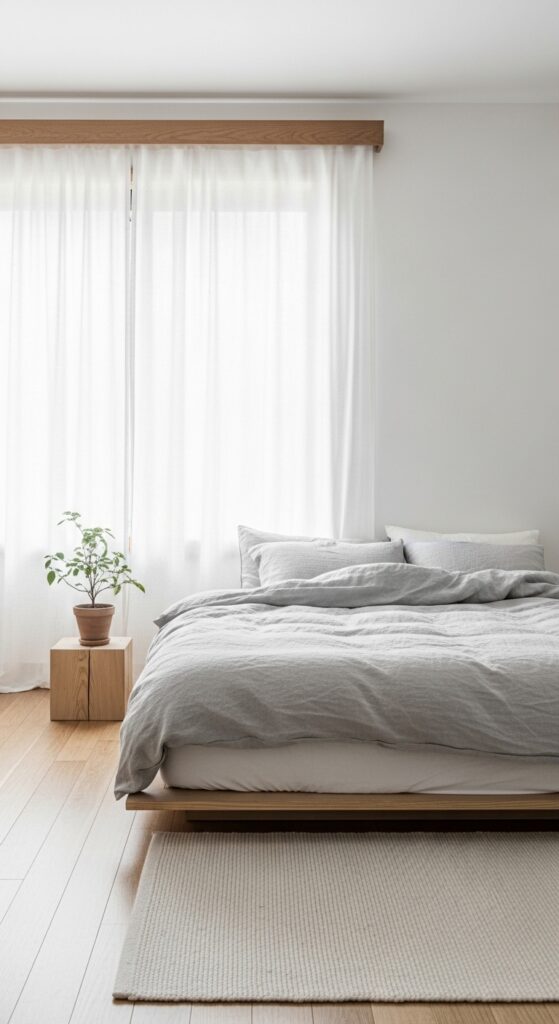
Airflow and fabric choice directly affect how calm a bedroom feels. Lightweight bedding, natural fibers, and an open layout allow the room to breathe. This physical comfort translates into emotional ease, especially during sleep and early mornings.
A breathable bedroom supports better rest by preventing heaviness and discomfort. For mental peace seekers, this creates a sense of freshness that reduces tension. The room feels alive without being stimulating.
Idea 11: Walls That Stay Quiet
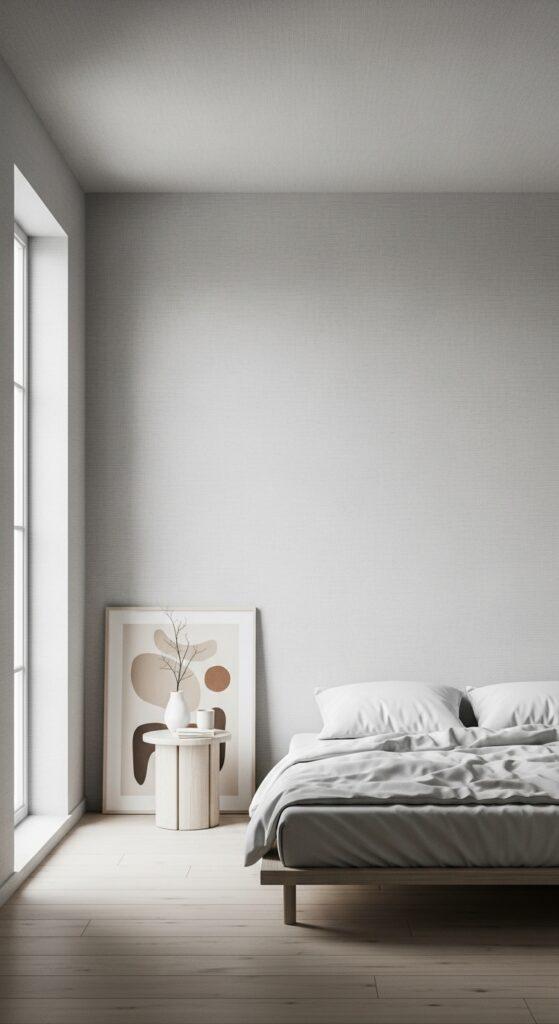
Quiet walls reduce mental noise. When walls are free from excessive art or decoration, the room feels calmer and more expansive. Texture replaces imagery, offering visual interest without stimulation. The bedroom becomes a place where the eyes can rest.
This approach supports emotional balance and sleep quality. For couples and solo dwellers, quiet walls prevent visual fatigue. The room feels open, intentional, and supportive rather than busy.
Idea 12: Designed for Gentle Mornings
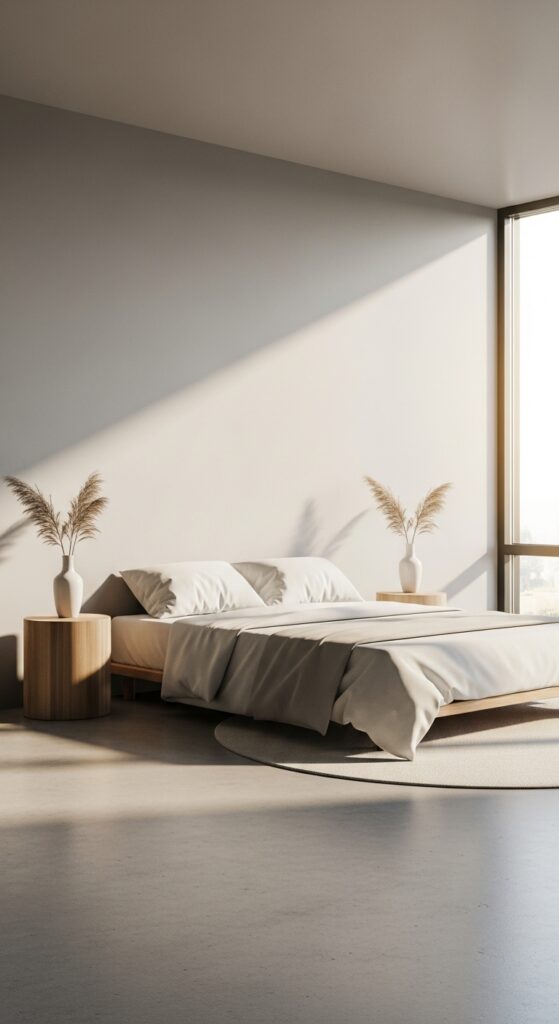
Minimalist bedrooms shine in the morning. Clean layouts and soft light reduce early day stress and decision fatigue. The room supports a smooth transition from sleep to activity without feeling rushed or chaotic.
For new homeowners and mental peace seekers, this design improves daily rhythm. Waking up in a calm environment sets the tone for the entire day. The bedroom becomes a source of stability instead of stress.
Idea 13: Fewer Choices, Deeper Rest
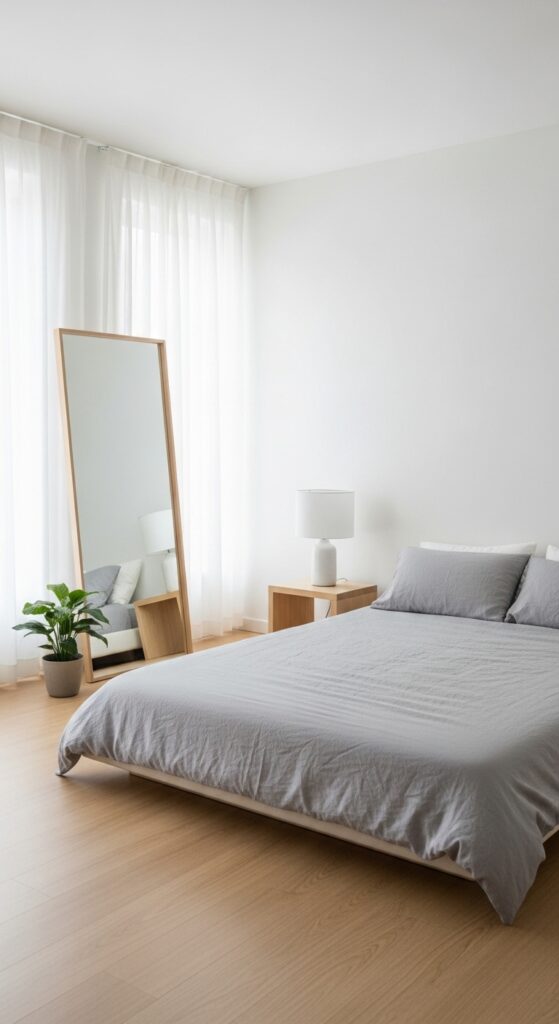
Too many choices create mental fatigue. A bedroom with limited furniture and a clear layout reduces decision making and visual processing. The space feels easy to navigate and emotionally light.
This simplicity supports deeper rest and faster relaxation. For people who feel overwhelmed easily, this approach turns the bedroom into a safe zone where nothing demands immediate action or thought.
Idea 14: Soft Surfaces, Softer Mind
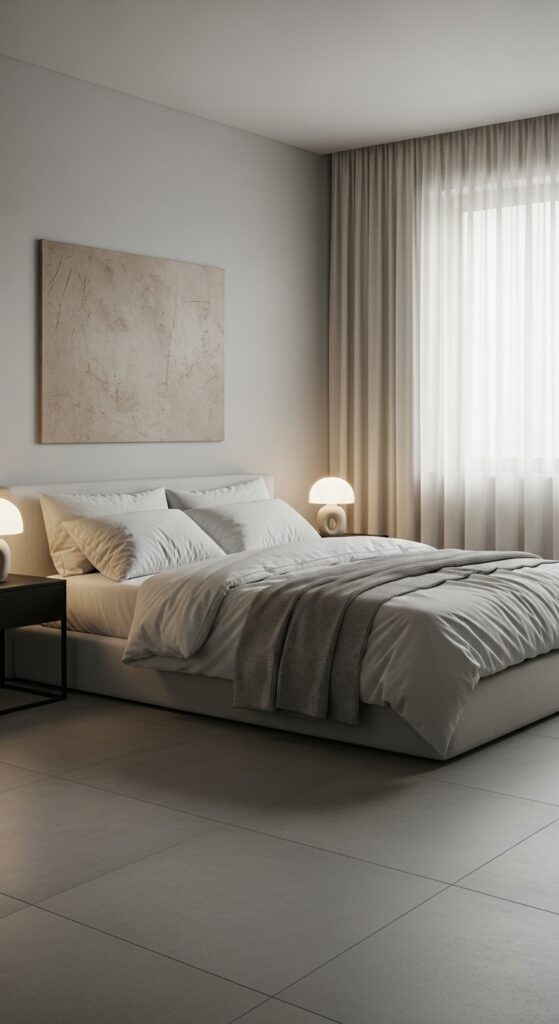
Matte finishes soften how light behaves in a room. Instead of reflecting sharply, light diffuses gently across surfaces. This creates a visually calm environment that feels refined and modern without harshness.
Luxury minimalist bedrooms benefit from this subtlety. The room feels elegant yet emotionally soothing. Soft surfaces support a softer mental state, helping the bedroom serve as a true place of restoration.
Section Three: Minimalism That Feels Personal, Luxurious, and Restorative
Idea 15: One Meaningful Object
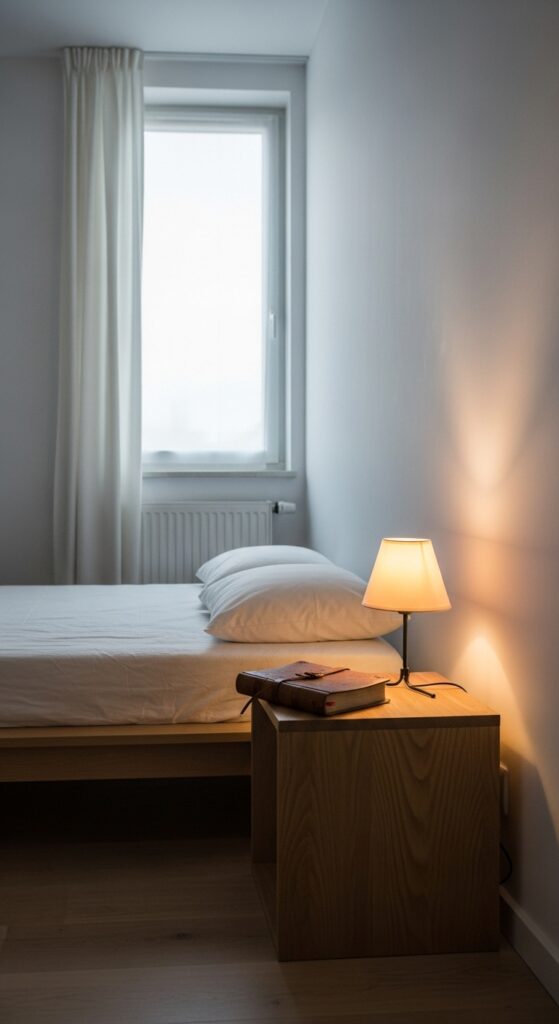
Minimalism values meaning over quantity. A single, carefully chosen object—a framed photo, a small sculpture, or a cherished book—adds personality without cluttering the room. This creates an emotional anchor, making the bedroom feel human, lived-in, and comforting.
For couples, this item can represent shared memories, while solo dwellers can select something that brings inner calm. The focus on one object encourages mindfulness, turning the bedroom into a space where emotion is prioritized over decoration.
Idea 16: Calm Under Your Feet
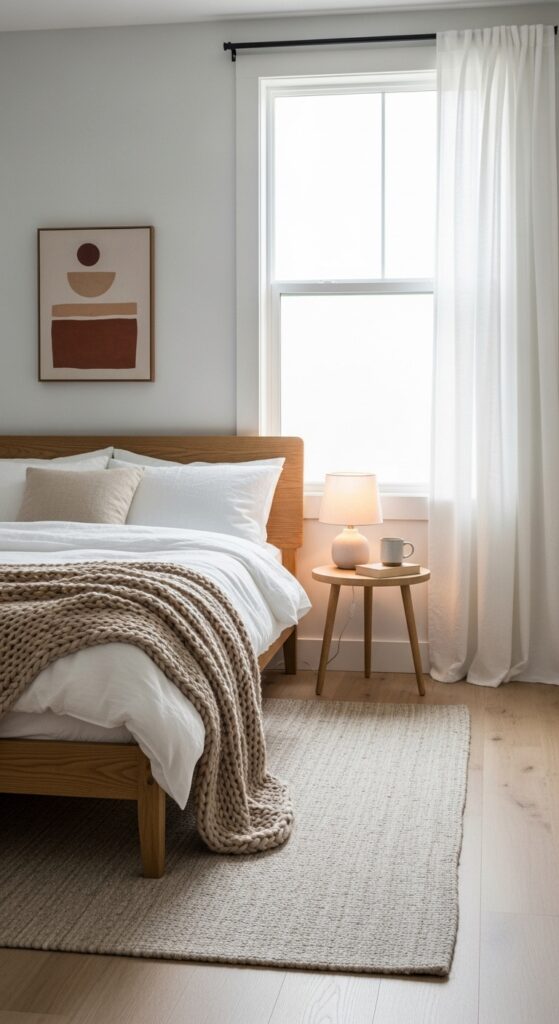
A simple, soft rug brings tactile comfort that supports relaxation. Stepping onto a warm, textured surface instead of cold flooring grounds you in the moment. The rug absorbs sound, reduces echo, and defines the bed area without visual clutter.
This small sensory addition enhances both mental and physical comfort. Couples enjoy a shared warm zone, and solo dwellers benefit from the soothing texture. Minimalist bedrooms achieve emotional richness by focusing on touch, not excess objects.
Idea 17: Windows That Let Light Breathe
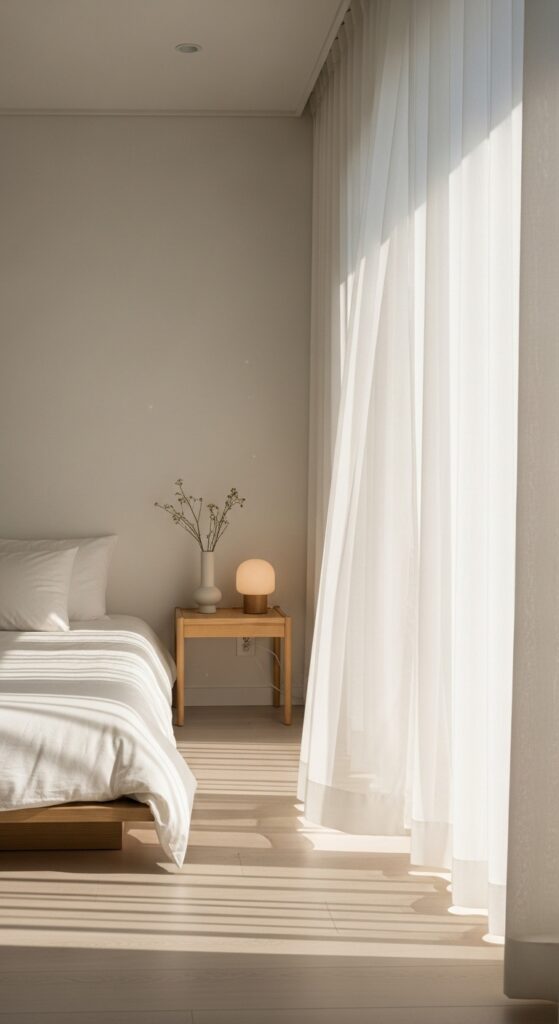
Light transforms emotion. Sheer curtains allow gentle daylight while maintaining privacy, giving the room a soft, airy feeling. The bedroom responds to natural rhythms, supporting wakefulness in the morning and calmness at night.
This design is perfect for all audiences. Couples enjoy shared, inviting light; solo dwellers experience an energizing yet serene environment. Minimalism in light handling emphasizes quality over quantity, making the room feel alive without chaos.
Idea 18: Accepting Imperfection
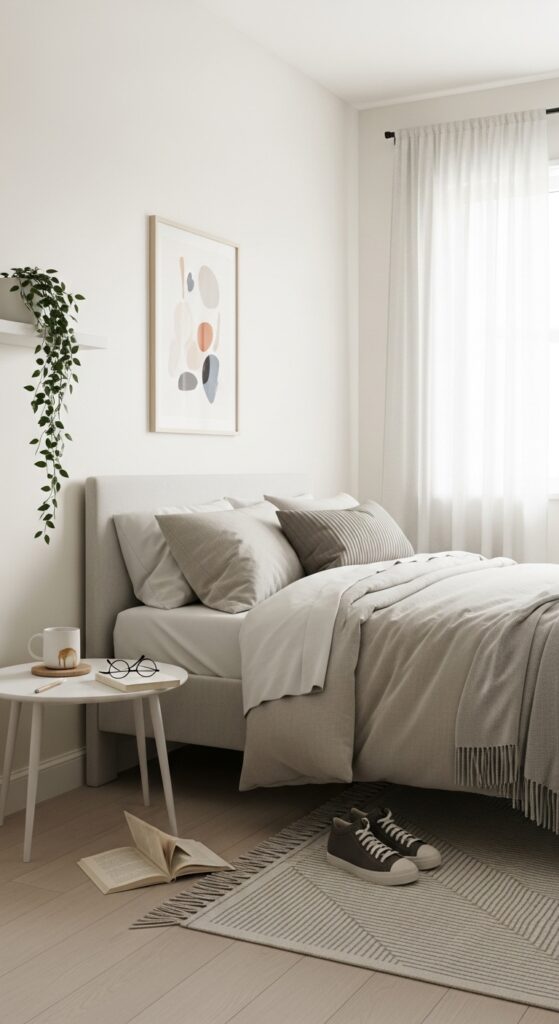
A bedroom does not need perfection to feel peaceful. Subtle imperfections—slightly crumpled bedding, a casually placed pillow—make the space approachable and human. It signals rest and lived life rather than showroom perfection.
This mindset is critical for mental peace seekers. Couples feel less pressure to maintain “visual perfection,” which encourages authentic connection. Minimalism becomes supportive rather than restrictive, proving restraint does not require rigidity.
Idea 19: The Ceiling as Calm Space
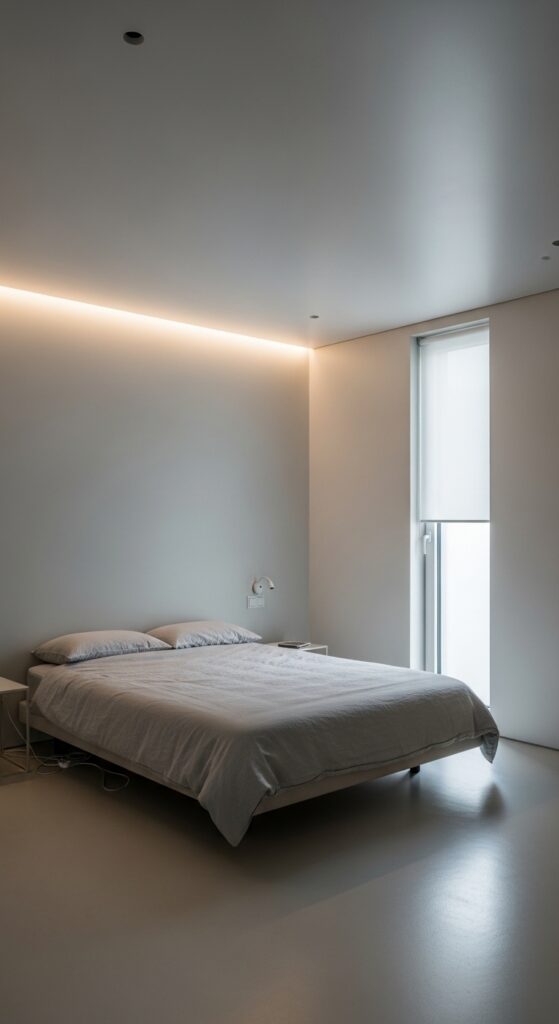
A simple ceiling enhances perception of openness and calm. When ceilings are neutral and free of decoration, they prevent visual crowding and allow the room to feel higher and more expansive.
Often overlooked, the ceiling plays a subtle role in emotional experience. For luxury minimalists, it reinforces refinement. For couples and solo dwellers, it contributes to a sense of space and freedom that supports rest and mental clarity.
Idea 20: Furniture That Respects Space
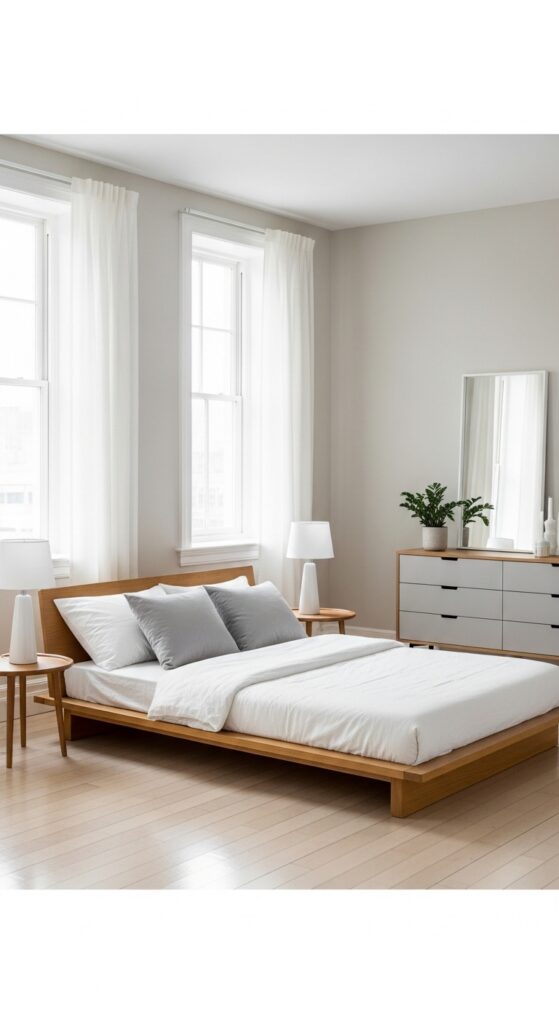
Furniture should guide movement rather than dominate it. Slim, well-proportioned pieces maintain openness and allow the room to breathe. Minimalism is effective when furniture supports freedom of movement, not just visual appeal.
This principle suits all audiences. Couples can navigate shared space without crowding, solo dwellers enjoy room to stretch, and luxury lovers appreciate clean, intentional forms. Function and emotional clarity merge to create calm.
Idea 21: Space Left Untouched
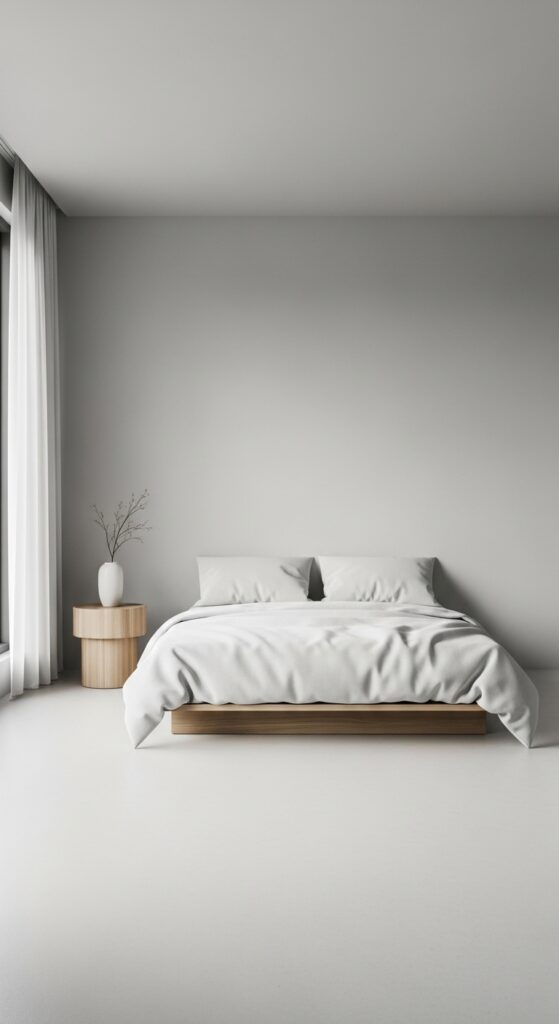
Empty space is a design choice. Negative space allows the room to breathe, the mind to rest, and attention to focus on what truly matters. Less becomes more when deliberate.
This final idea completes 21 Minimalist Aesthetic Bedroom Ideas That Spark Peace. Couples find shared calm, solo dwellers find personal refuge, and luxury minimalists enjoy restraint that feels intentional. Leaving space untouched transforms a bedroom into a sanctuary for the mind and heart.
Conclusion
Minimalist bedrooms thrive when design serves life, not decoration. These 21 Minimalist Aesthetic Bedroom Ideas That Spark Peace focus on emotional clarity, tactile comfort, and refined simplicity. Whether creating a shared space for couples, a sanctuary for solo living, or a luxury minimalist retreat, the principles of restraint, intention, and lightness bring real calm. A bedroom that supports the mind and heart becomes a sanctuary, offering rest, connection, and serenity every day.