16 Clutter Free Bedroom Ideas That Feel Peaceful.
Introduction
A bedroom should quietly support rest instead of demanding attention. When too many objects compete visually, the brain stays alert even during sleep hours. This guide to 16 Clutter Free Bedroom Ideas That Feel Peaceful focuses on reducing visual noise, encouraging mental clarity, and designing spaces that support emotional rest. These ideas are practical, human, and realistic, helping bedrooms feel calmer, lighter, and more restorative without forcing extreme minimalism or rigid rules.
Section One: Creating Visual Calm From the Ground Up
Idea 1: Starting With Empty Space First
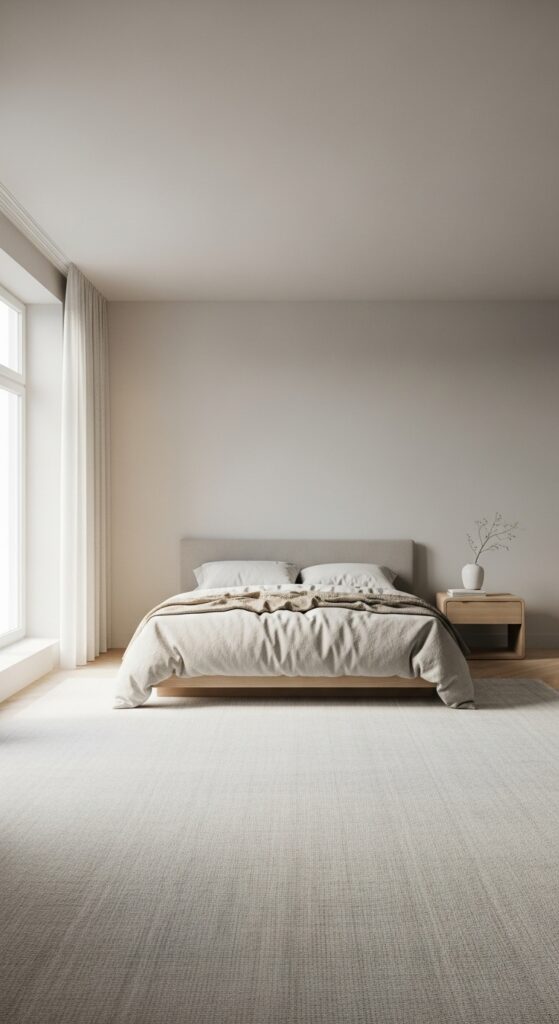
Allowing space to exist without filling it creates immediate calm. Empty areas reduce visual stimulation, helping the mind slow down naturally. When furniture does not occupy every inch, the room feels lighter and easier to breathe in. This openness lowers stress levels and supports a sense of emotional balance, especially after mentally exhausting days.
In a clutter free bedroom, space becomes a design element. Intentional space gives the eyes somewhere to rest, which gently encourages relaxation and a quieter state of mind.
Idea 2: Choosing One Dominant Color Only
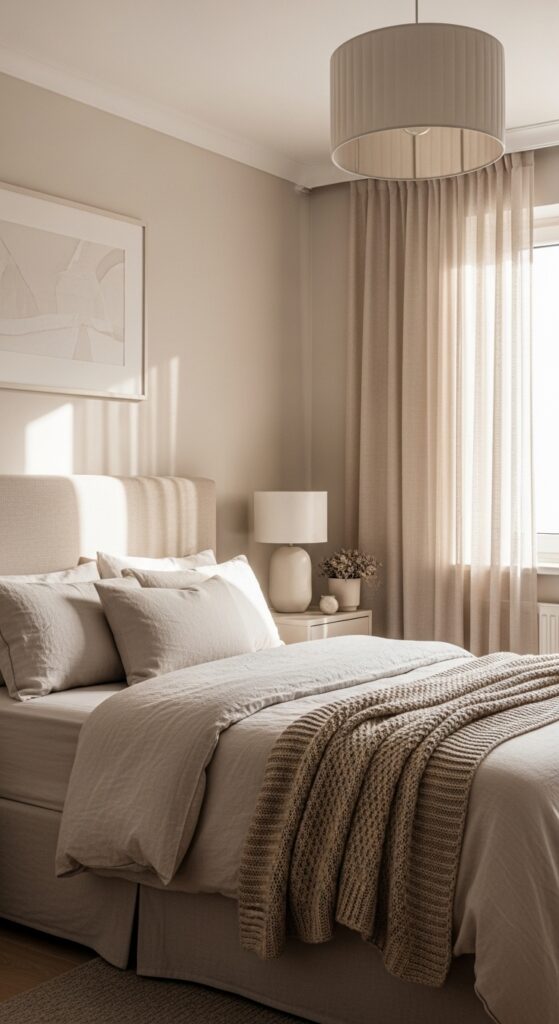
Using a single dominant color helps the brain relax because it reduces contrast and distraction. Soft tones like warm beige or muted gray support peaceful bedroom design by creating consistency. When everything feels visually connected, the space looks calm even without constant cleaning.
Color harmony also strengthens mental clarity. The room feels stable and predictable, which helps the nervous system feel safe enough to fully rest.
Idea 3: Letting Furniture Sit Lower
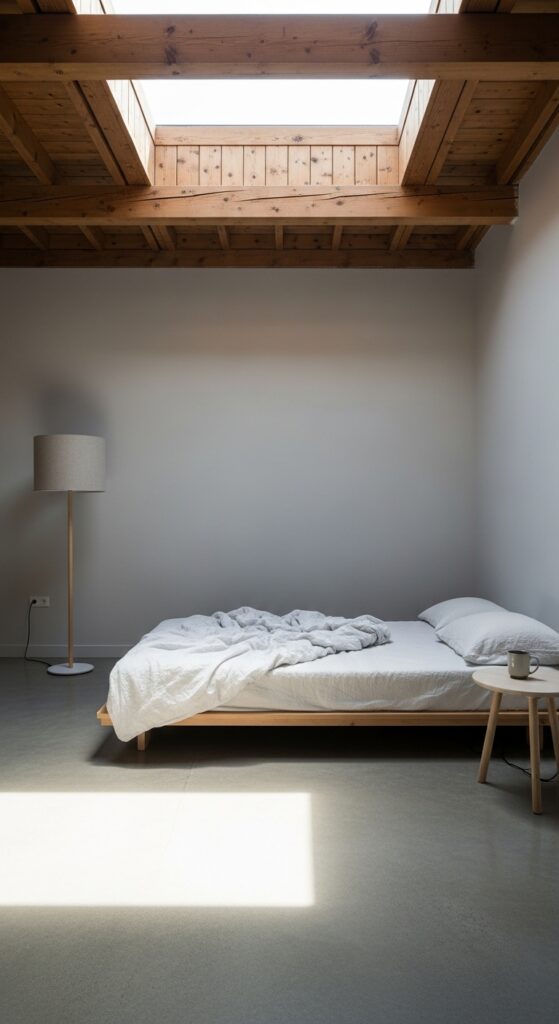
Low furniture visually grounds the room. Beds closer to the floor make ceilings feel higher, creating a sense of openness. This supports simple living by making the space feel less crowded without removing essential pieces.
Lower furniture also encourages slower movement and a calmer posture. The room begins to feel supportive rather than overwhelming, helping the body relax naturally.
Idea 4: Removing Visual Noise From Surfaces
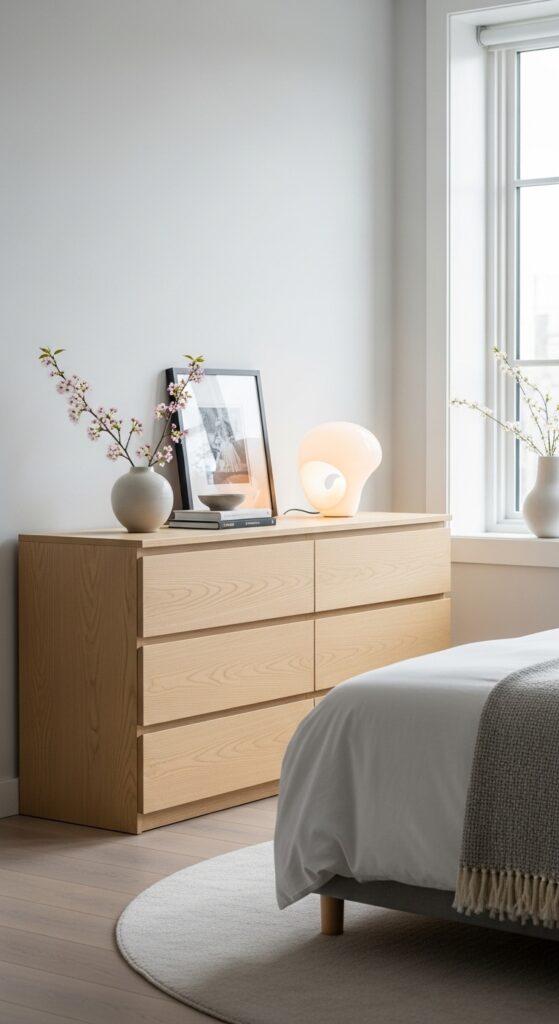
Surfaces clutter the fastest and silently increase stress. A dresser covered with items signals unfinished tasks to the brain. Clearing surfaces helps the room feel complete and settled, supporting stress reduction and emotional ease.
When surfaces stay mostly clear, the bedroom becomes a place of rest instead of responsibility. The eyes relax, and the mind follows.
Idea 5: Soft Boundaries Instead of Hard Storage
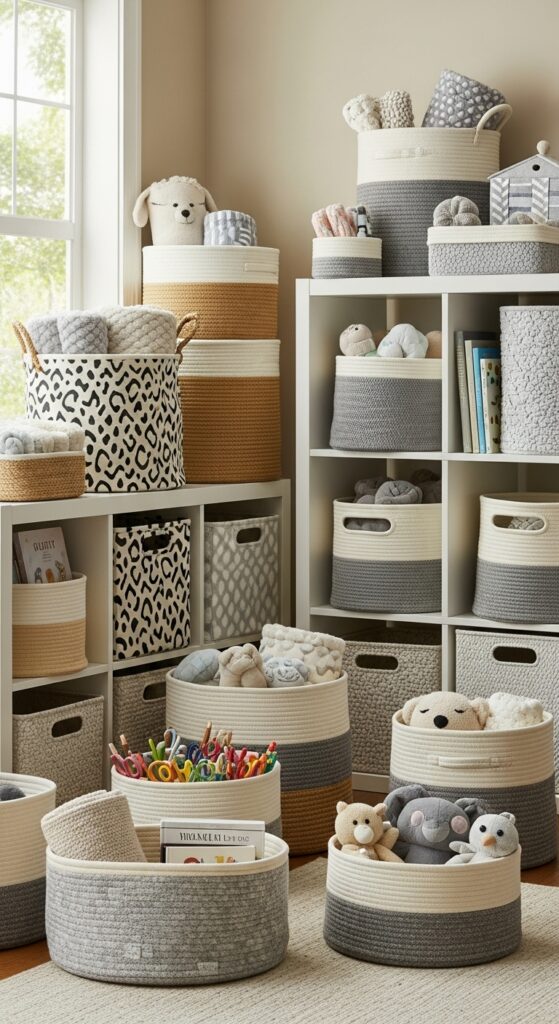
Soft storage options like fabric bins or woven baskets reduce visual harshness. They support organization while maintaining visual calm. Unlike rigid containers, soft storage blends into the room more gently.
This approach makes organization feel flexible and human. Calm becomes easier to maintain because the space feels forgiving rather than strict.
Idea 6: Letting Light Lead the Design
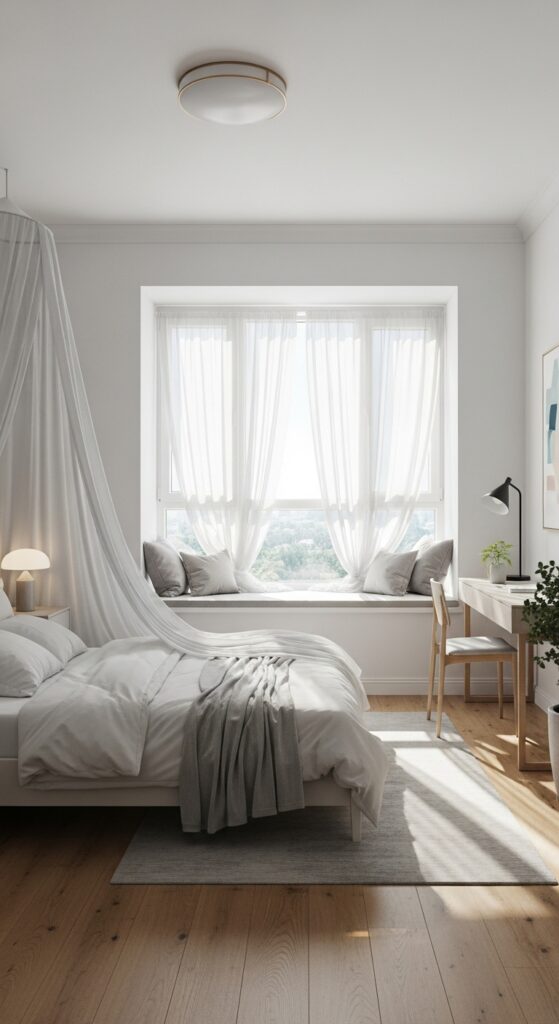
Natural light shapes mood more than decor. Arranging furniture to follow light flow enhances emotional balance and reduces the need for visual additions. Light softens textures and minimizes shadows that can make rooms feel crowded.
A bedroom guided by light feels open and restorative, supporting daily relaxation and better sleep.
Section Two: Organization That Supports Emotional Rest
Idea 7: Limiting Storage to What You Use Daily
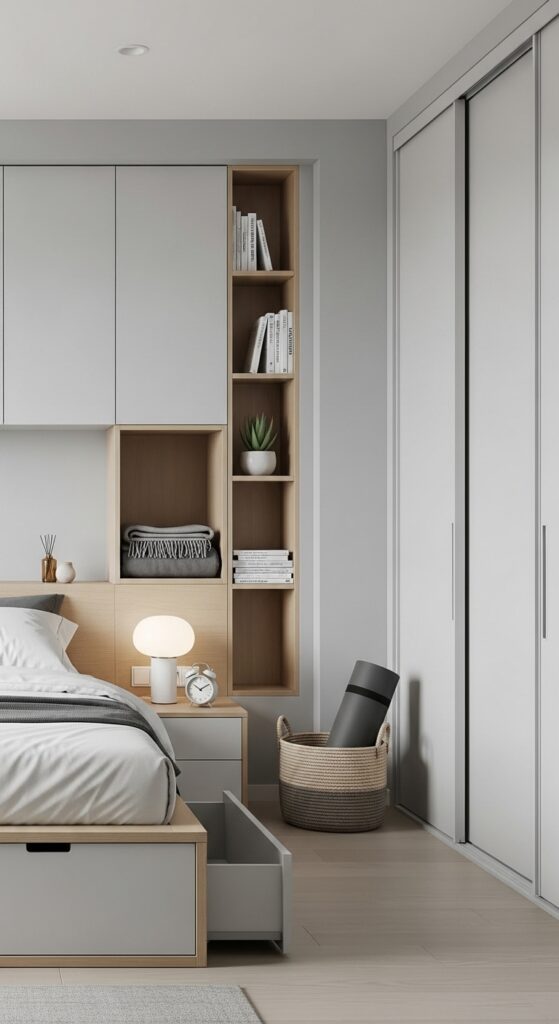
Storage becomes stressful when it holds unused items. Limiting storage to daily essentials supports intentional living and keeps the room aligned with its purpose. The bedroom stops feeling like a holding area for forgotten belongings.
This approach reduces mental load. Everything stored has meaning, which helps maintain long term calm.
Idea 8: Visual Weight Balanced Across the Room
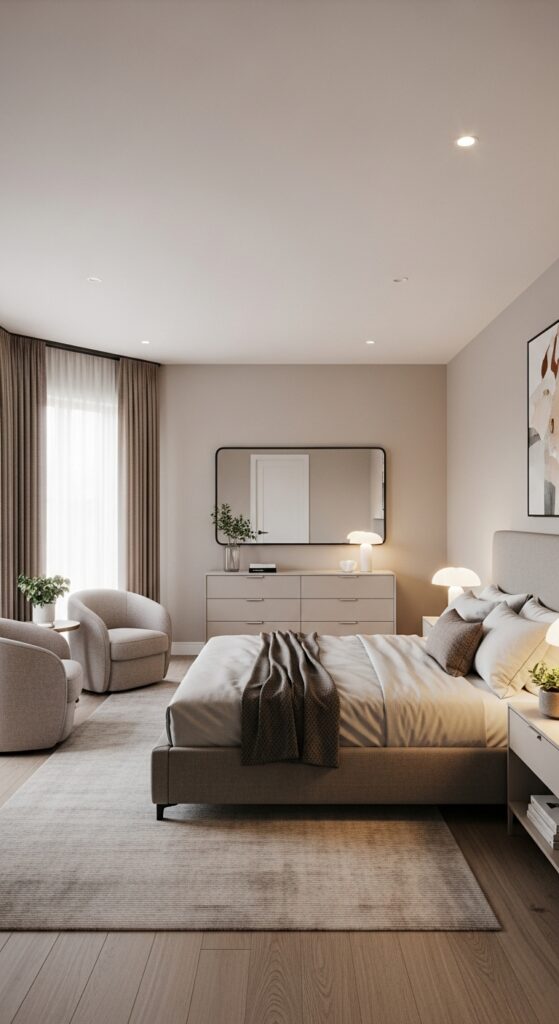
Uneven furniture placement creates subtle tension. Balanced visual weight helps the room feel stable and grounded. This stability supports peaceful bedroom design without adding decoration.
When balance exists, the body senses comfort automatically. Calm becomes effortless.
Idea 9: Choosing Calm Textures Over Decoration
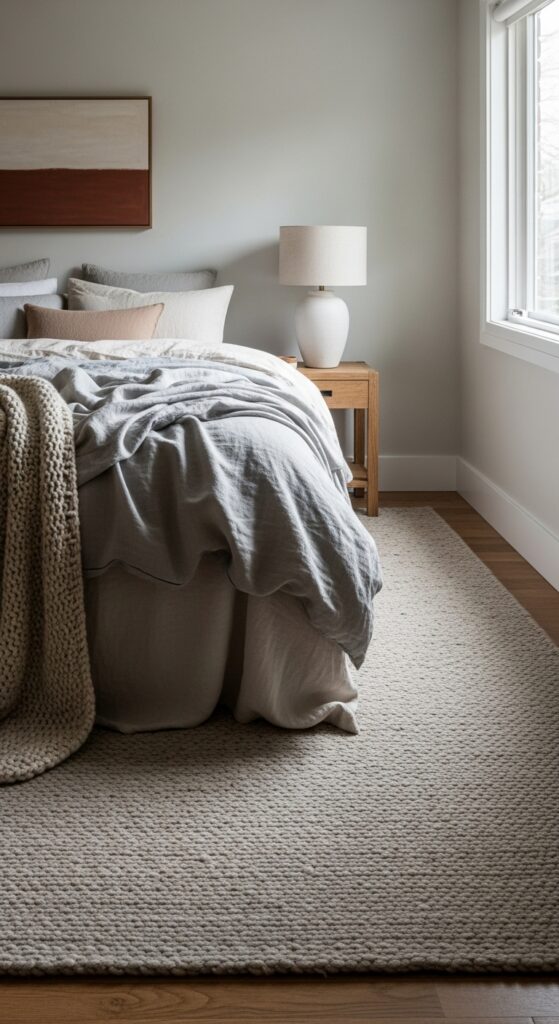
Texture adds warmth without adding clutter. Linen bedding, cotton throws, and soft rugs support sensory comfort while keeping visuals quiet. Texture replaces decoration without overwhelming the space.
This choice supports mental clarity and emotional warmth, helping the bedroom feel inviting yet calm.
Idea 10: Removing Technology From Sight
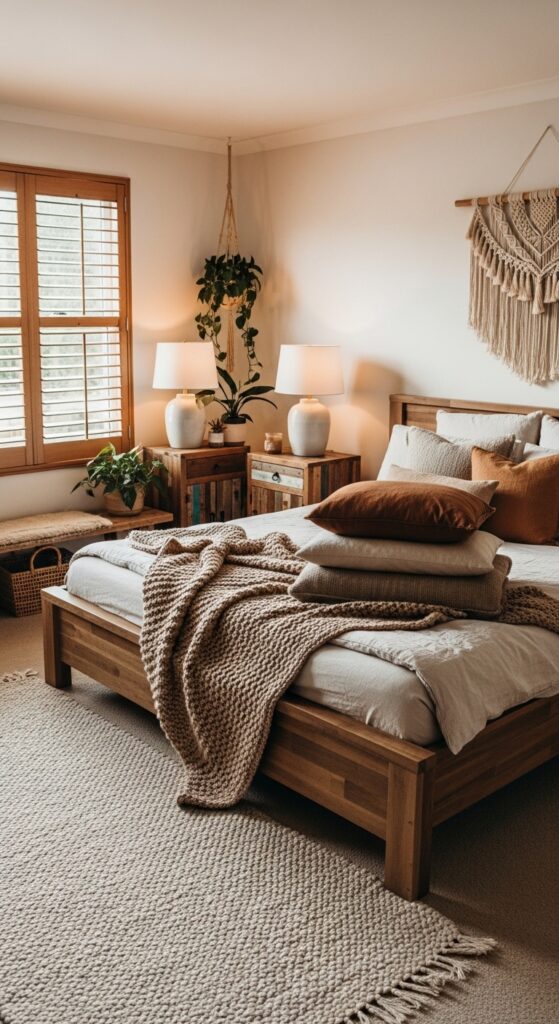
Visible screens keep the brain alert. Removing technology from sight helps the bedroom return to its role as a rest space. This supports sleep quality and emotional separation from daily tasks.
When screens disappear, the mind unwinds faster and rest deepens naturally.
Idea 11: Limiting Decorative Items to One Per Zone
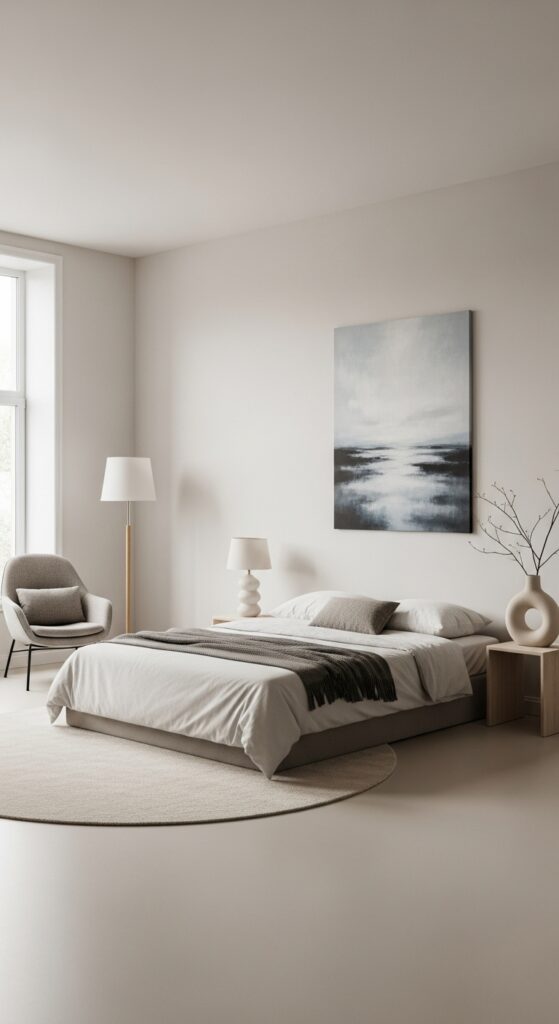
Each item feels intentional and calm increases naturally.
Too many small decor pieces fragment attention. One meaningful item per zone creates focus and clarity. This supports stress free environment by simplifying visual choices.
Idea 12: Letting Storage Close Completely
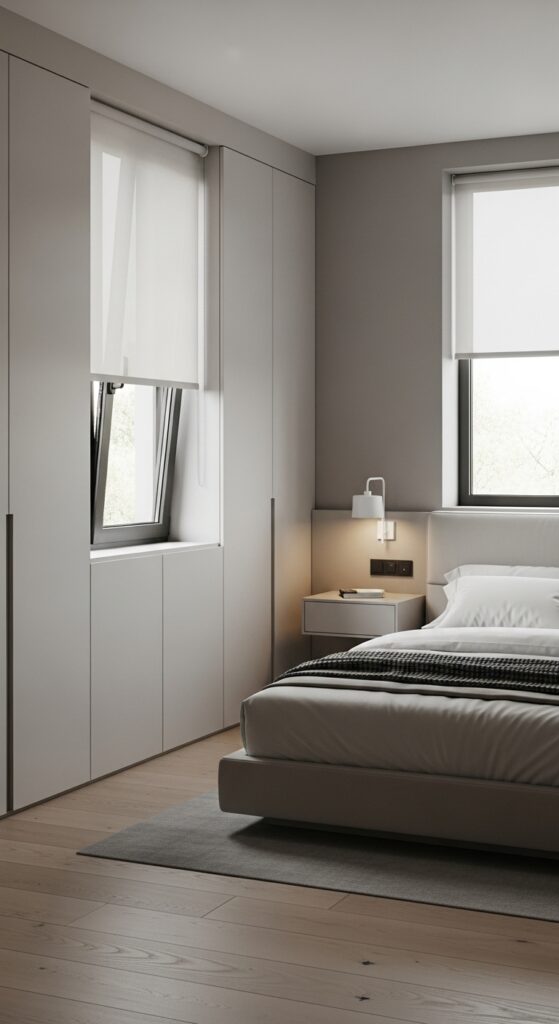
Closed storage protects visual rest. Smooth surfaces allow the room to feel complete even when items exist behind them. This supports emotional rest and reduces mental fatigue.
Hidden items no longer demand attention, allowing calm to settle.
Section Three: Subtle Choices That Protect Long Term Peace
Idea 13: One Scent That Signals Rest
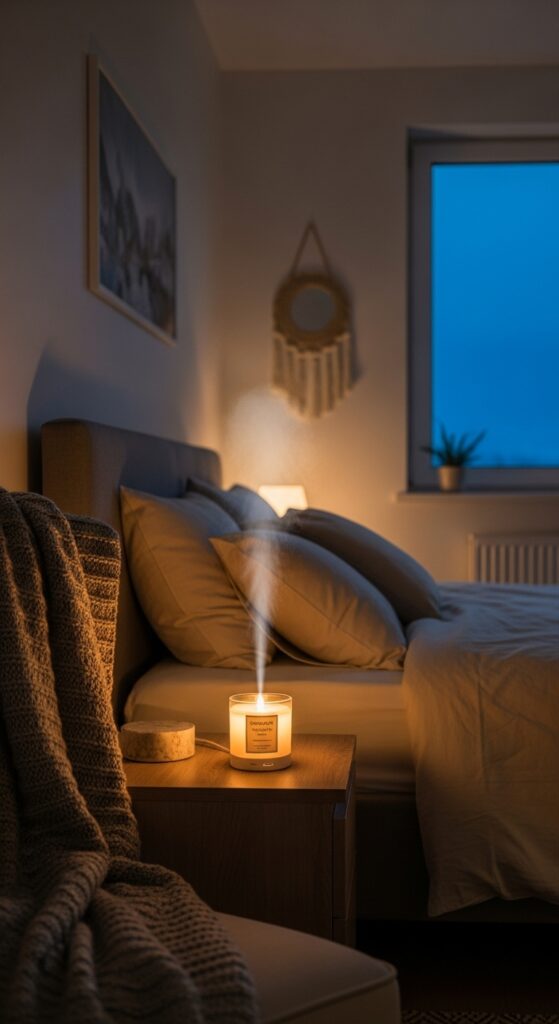
A consistent scent gently signals rest to the brain. Familiar aromas support emotional grounding and help create a predictable sleep routine.
This sensory cue strengthens calm without adding visual elements.
Idea 14: Keeping the Floor Completely Clear
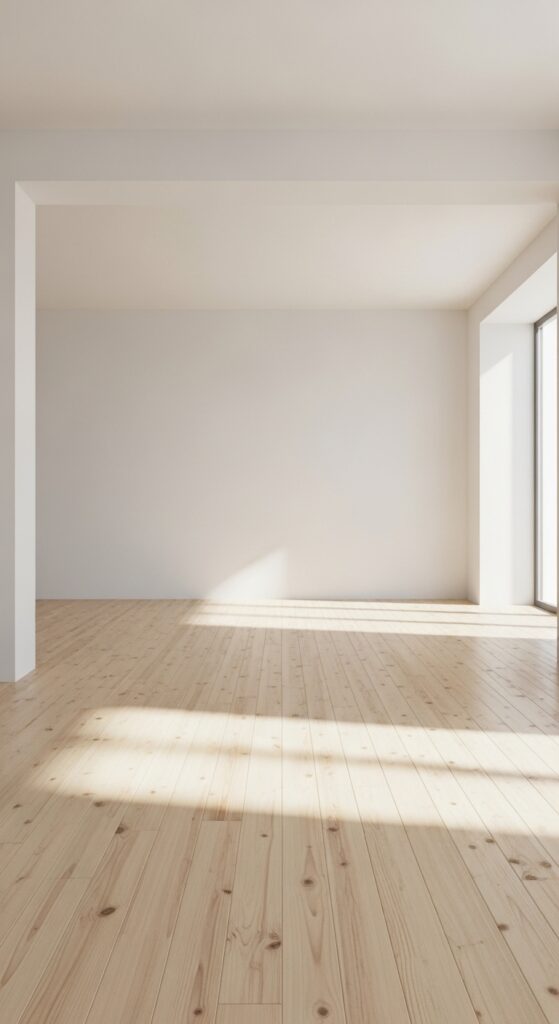
Items on the floor create subconscious stress. Clear floors support mental clarity and free movement. The room feels lighter and easier to exist in.
Open floors help maintain peace daily without effort.
Idea 15: Bedding That Folds Away Easily

Simple bedding reduces daily effort and visual mess. Fewer layers support easy maintenance and keep the bed inviting.
This simplicity protects calm every morning and night.
Idea 16: Choosing Rest Over Perfection
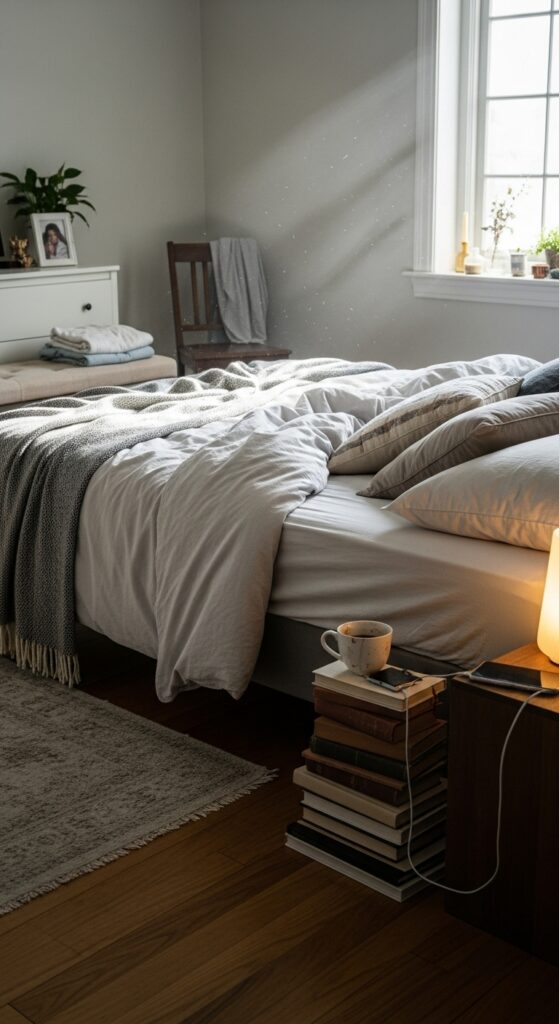
The final idea is releasing perfection. Peace grows from ease, not control. A bedroom can feel calm even when lived in.
This mindset supports long term emotional balance and sustainable calm.
Conclusion
A clutter free bedroom supports the nervous system, sleep quality, and emotional well being. These 16 Clutter Free Bedroom Ideas That Feel Peaceful. work because they reduce visual noise, encourage intentional space, and prioritize mental clarity. When excess fades, the bedroom becomes a place of recovery, comfort, and quiet strength that truly serves daily life.