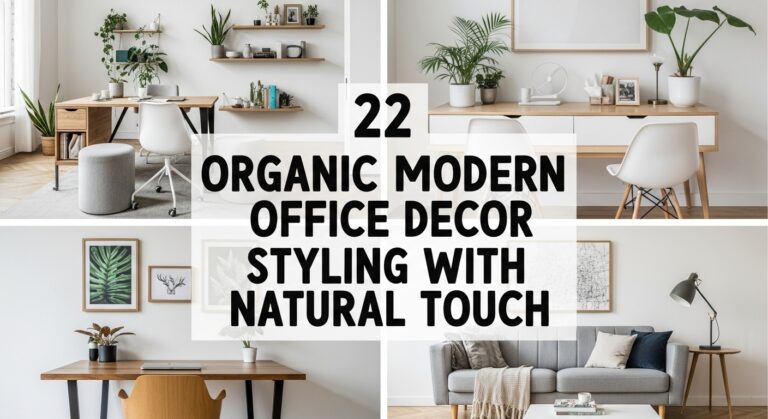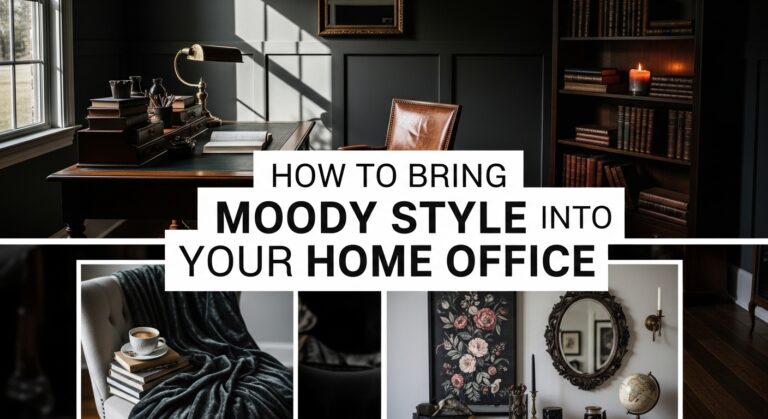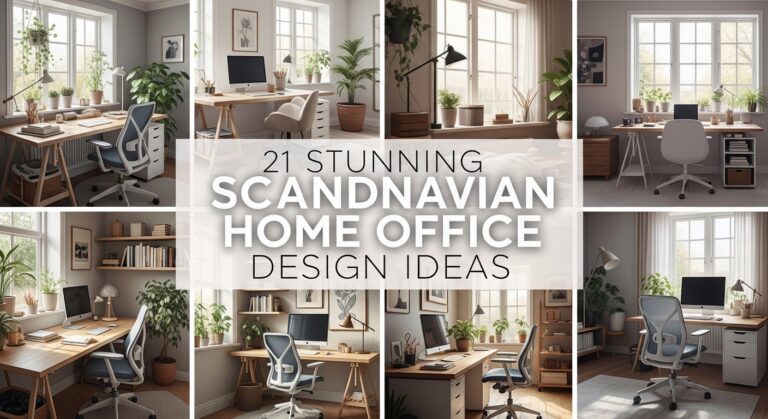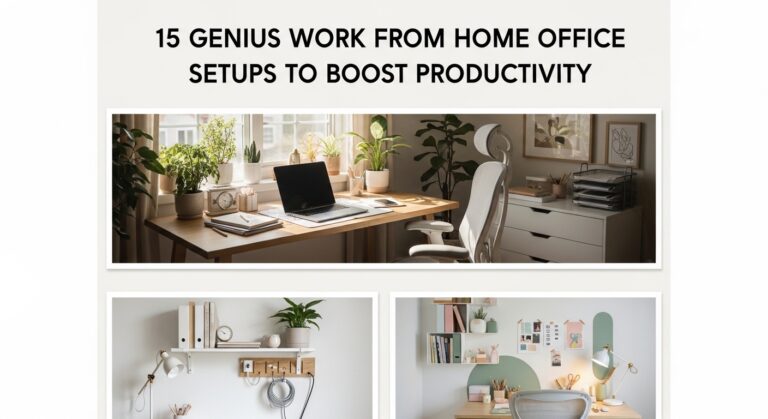
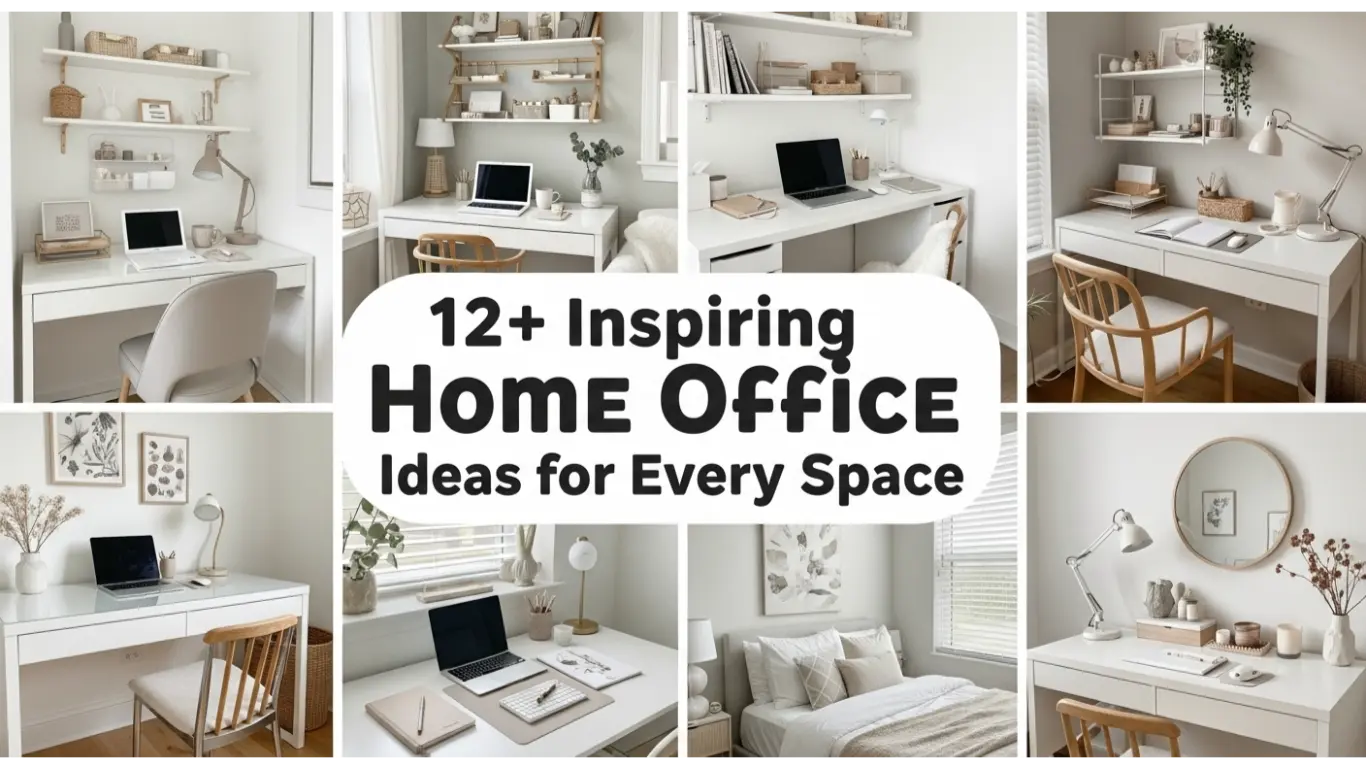
12+ inspiring home office ideas for every space
Working from home has become a long-term reality for many people, and the way a workspace is designed now plays a major role in focus, comfort, and daily motivation. A well-planned setup can reduce stress, support healthy routines, and make work feel more intentional rather than overwhelming. Because every home offers different layouts and limitations, smart design choices matter more than size. This guide, 12+ inspiring home office ideas for every space, brings together practical home office ideas that adapt to real living environments, helping you create a workspace that feels productive, personal, and naturally connected to your home.
Incorporate Technology Seamlessly
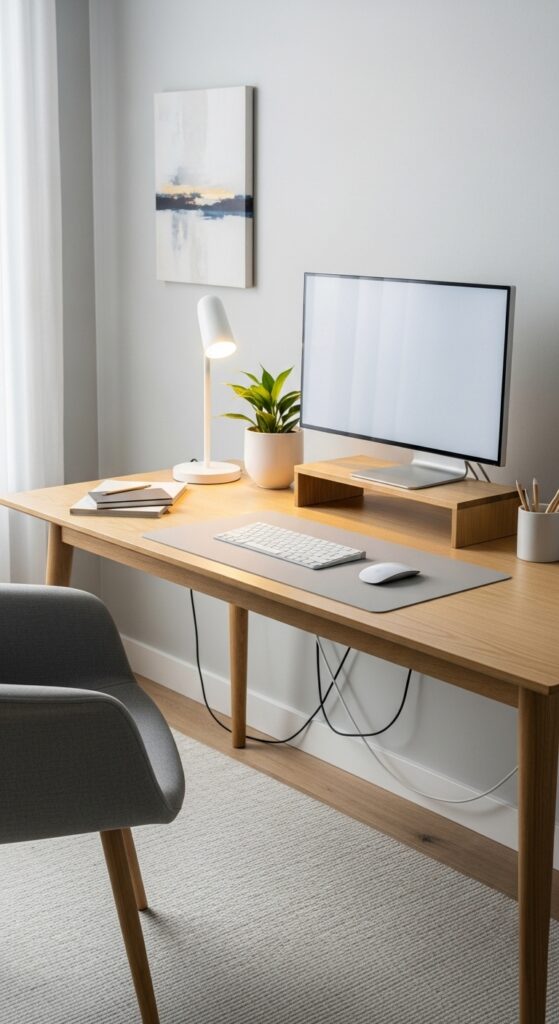
Seamless technology integration keeps a workspace efficient without feeling overwhelming. Smart storage, wireless charging, and concealed cables help maintain visual calm while supporting daily tasks. This approach allows screens, speakers, and devices to blend naturally into the design. The result feels intentional and balanced, not overly technical or cluttered.
By choosing furniture designed for modern tools, the workspace stays functional and elegant. Built-in power access reduces distractions and improves flow. This setup supports long-term productivity while preserving a warm, inviting atmosphere that aligns with thoughtful home office ideas.
Use Vertical Space
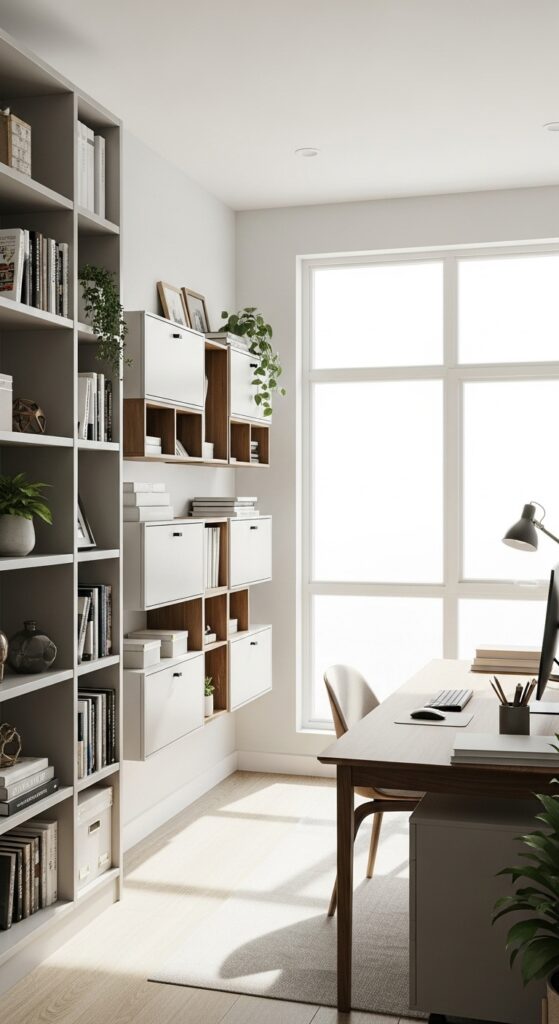
Vertical space transforms limited floor areas into highly functional work zones. Wall-mounted shelves and cabinets free up room while keeping essentials accessible. This design works especially well in smaller rooms where floor space feels restricted. It encourages organization without sacrificing comfort or style.
Using height wisely also draws the eye upward, making the room feel larger. Decorative storage blends function with visual interest. This strategy supports clean surfaces and focused work while allowing flexibility as needs change over time.
Incorporate Acoustic Elements
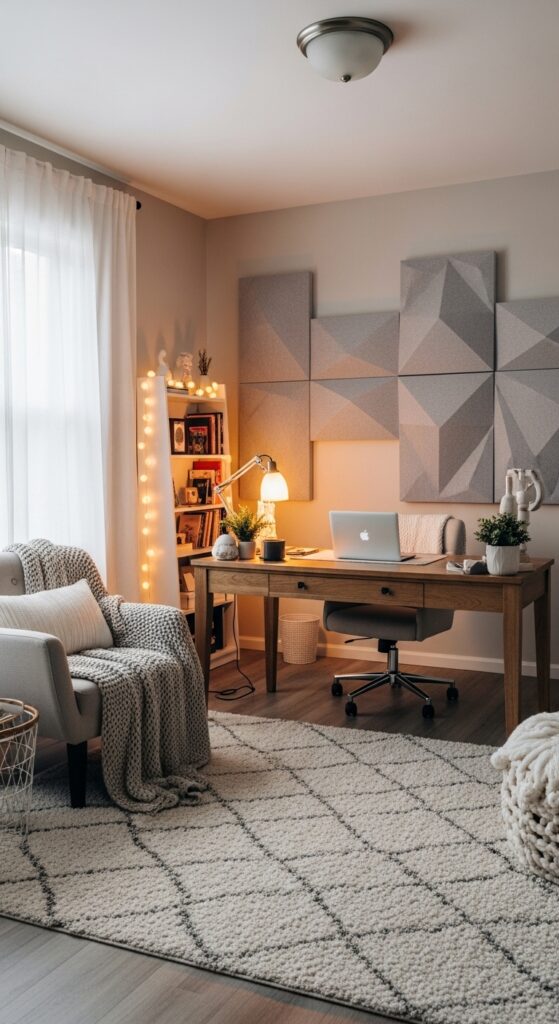
Acoustic elements improve focus by reducing noise and echo. Soft panels, rugs, and curtains absorb sound and create a calmer environment. This approach benefits remote workers who share space or live in busy households. A quieter room supports deeper concentration and less mental fatigue.
Designing with acoustics does not mean sacrificing style. Modern panels and textured fabrics add warmth and depth. This balance enhances comfort while maintaining an inviting workspace that feels intentionally designed for sustained productivity.
Bring in Seasonal Decor
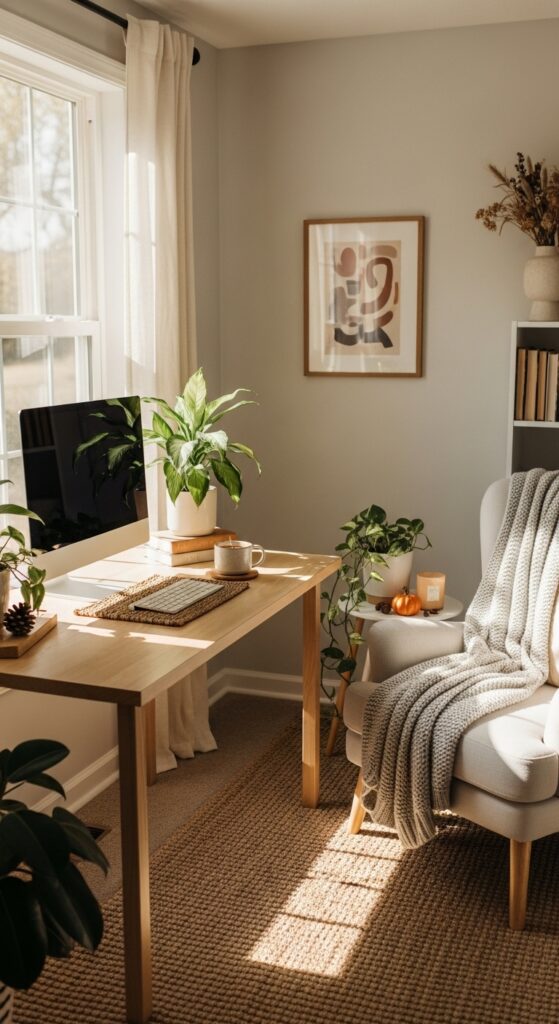
Seasonal decor refreshes a workspace without major changes. Small updates like greenery, textiles, or art reflect the time of year and keep the environment inspiring. This gentle shift helps maintain motivation and prevents visual boredom.
Keeping the base neutral allows seasonal accents to shine without clutter. Rotating decor encourages creativity and emotional connection to the space. This approach keeps the office feeling alive and responsive to changing moods and routines.
Incorporate Natural Light
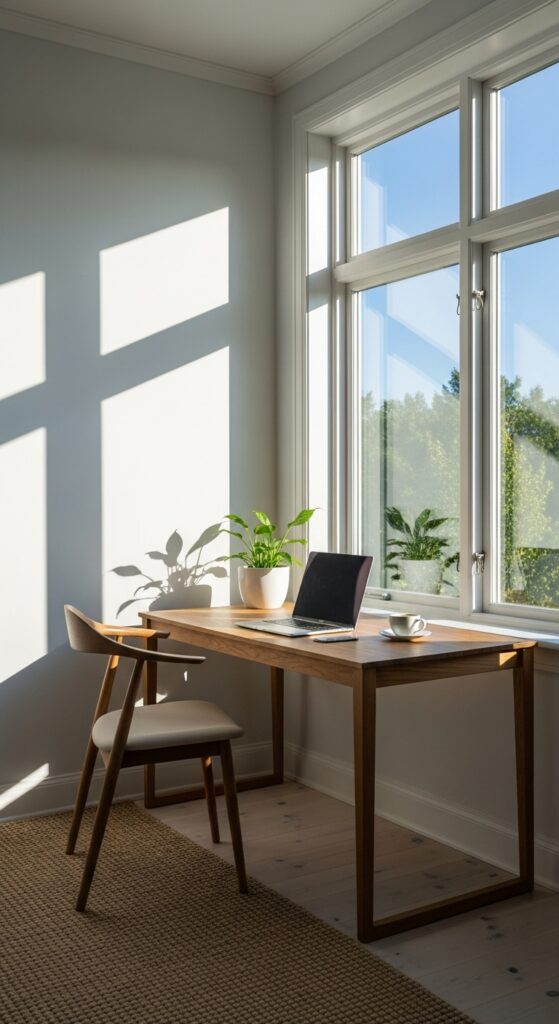
Image Prompt: Home office near large window, sunlight streaming in, minimal desk, airy and bright design
Natural light supports focus, mood, and overall well-being. Positioning the desk near a window reduces eye strain and improves energy levels throughout the day. This setup works across many layouts and styles, making it widely adaptable.
Sheer curtains soften harsh light while maintaining brightness. The space feels open and welcoming, encouraging longer, more comfortable work sessions. Thoughtful placement maximizes daylight without compromising privacy or function.
Add Personal Touches
Personal touches create emotional connection and comfort. Photos, art, or meaningful objects remind you why the work matters. This sense of identity helps reduce stress and supports motivation during challenging tasks.
Balancing personal items with organization keeps the space focused. Thoughtful curation prevents clutter while maintaining warmth. This approach ensures the workspace feels human and supportive rather than purely functional.
Embrace Minimalism
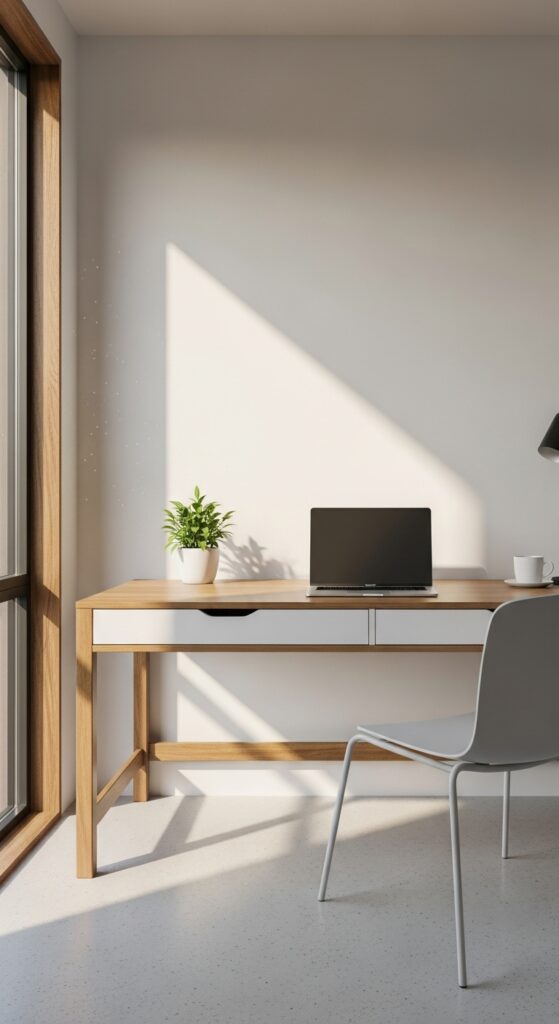
Minimalism sharpens focus by removing distractions. A clean desk and limited decor help the mind stay clear and intentional. This style suits people who value structure and efficiency in daily routines.
Hidden storage maintains simplicity without sacrificing function. Soft textures prevent the room from feeling cold. This balance creates a calm environment that supports consistent, high-quality work.
Add a Statement Piece
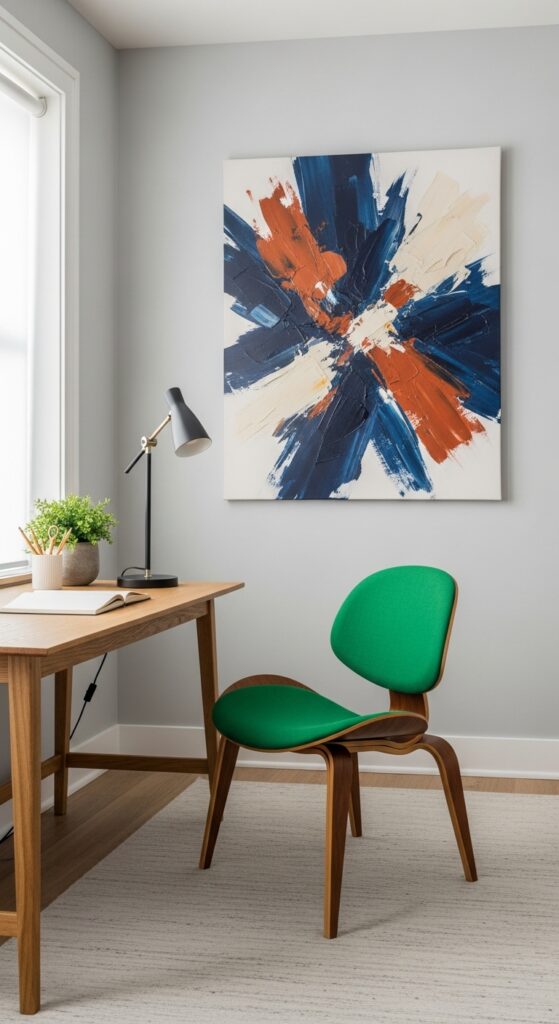
A statement piece adds character and energy to a workspace. Whether it is a chair, artwork, or lamp, one bold element anchors the design. This creates visual interest without overwhelming the room.
Keeping the rest of the space neutral ensures balance. The statement piece becomes a source of inspiration and personality. This approach works well for creatives and professionals alike.
Explore Unconventional Layouts
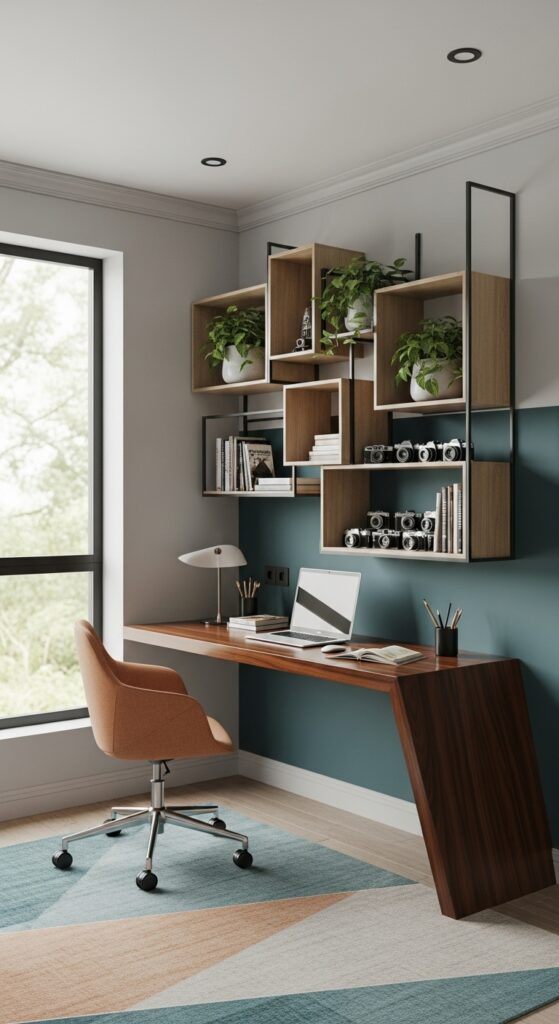
Unconventional layouts break routine and encourage fresh thinking. Placing the desk at an angle or using unexpected zones can improve flow. This approach suits people who feel restricted by traditional setups.
Creative layouts adapt to unique room shapes and needs. They support flexibility while maintaining function. The result feels customized and engaging rather than generic.
Utilize a Neutral Base
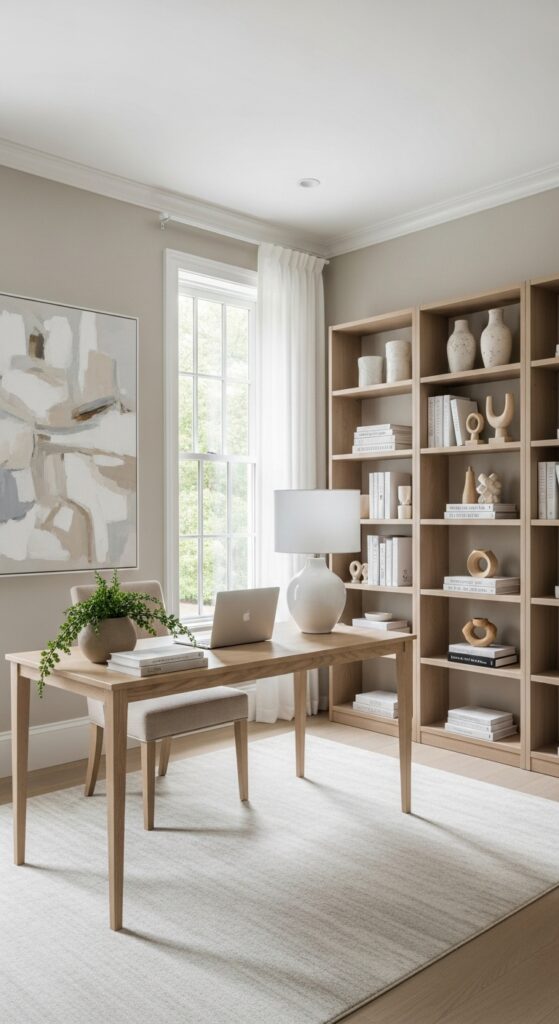
A neutral base creates timeless appeal and visual calm. Soft colors support focus and adapt easily to future changes. This foundation works across styles and personal preferences.
Accents can shift over time without redesigning the space. Neutral tones reduce visual noise and encourage clarity. This approach supports long-term comfort and adaptability.
Utilize Corner Desks
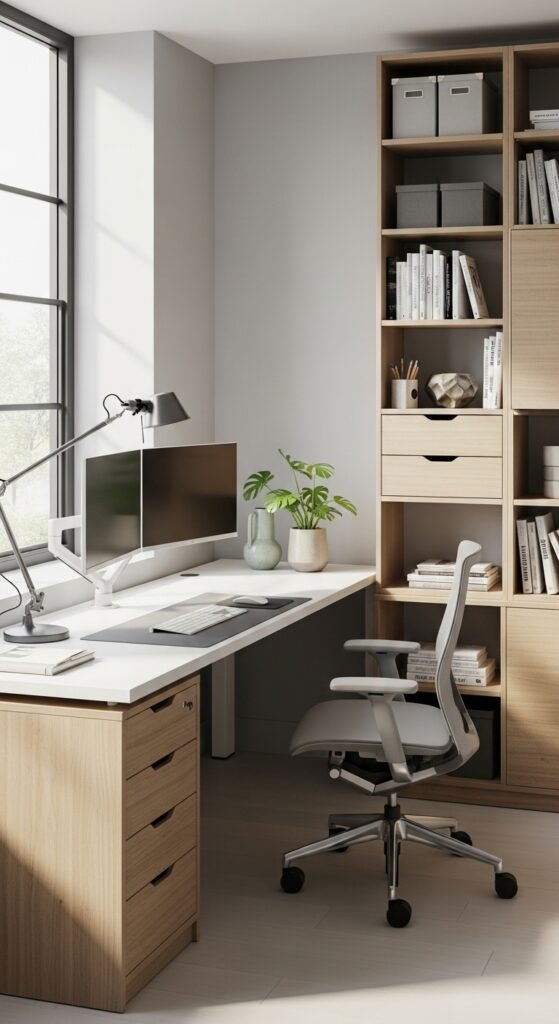
Corner desks maximize unused areas and improve flow. They fit naturally into rooms without dominating the space. This setup works well for bedrooms, living rooms, and multipurpose areas.
Efficient placement supports focus while preserving openness. Storage stays within reach, improving workflow. Corner desks prove that smart placement enhances both function and comfort.
Repurpose Unused Spaces
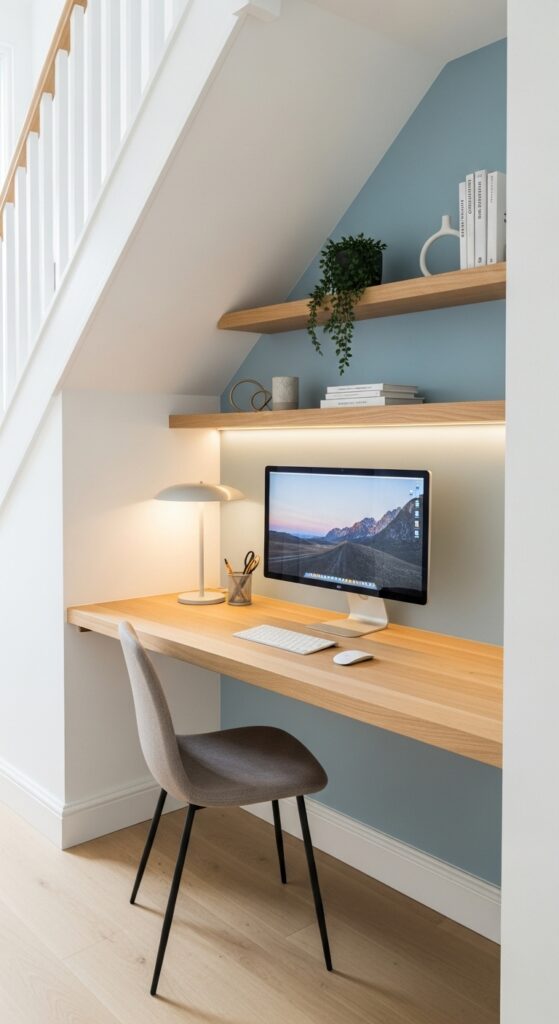
Unused spaces offer hidden potential for productive work zones. Hallways, alcoves, or under-stair areas transform with thoughtful design. This approach maximizes the home without expansion.
Proper lighting and storage ensure comfort. These spaces feel intentional rather than improvised. Repurposing supports flexibility and efficient use of every square foot.
Create a Tech-Free Zone

A tech-free zone supports deep thinking and creativity. Removing screens encourages focus on reading, writing, or planning. This setup balances digitally driven workdays.
Comfortable seating and warm lighting promote calm. The space becomes a mental reset, supporting clarity and intentional work habits over time.
Incorporate Textured Walls
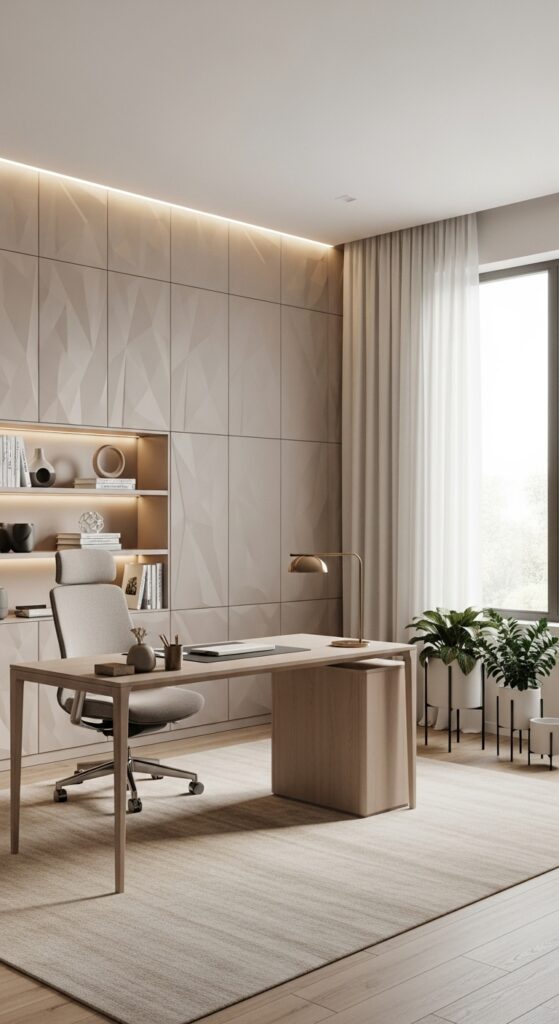
Textured walls add depth without clutter. Materials like wood panels or subtle finishes create visual interest while remaining calm. This enhances the sensory experience of the workspace.
Texture balances minimal furniture and neutral tones. It adds warmth and character, supporting comfort during long work sessions. This detail elevates the overall design naturally.
Conclusion
A well-designed home office does more than provide a place to work—it shapes focus, comfort, and creativity. Thoughtful choices like integrating technology, maximizing vertical space, and adding personal touches make even small areas functional and inspiring. Balancing productivity with wellness through natural light, acoustic solutions, and occasional tech-free zones ensures long-term comfort. By combining style, flexibility, and purpose, you can create a workspace that supports your work, reflects your personality, and adapts to your evolving needs.